

 English
 русский
How to Choose the Right Expansion Anchors & Plugs for Every Wall Type
 2026.08.17
 Industry news
The short answer: match the anchor to the base material first, then to the load. Use metal expansion anchors (sleeve or wedge type) for solid concrete and brick, hollow-wall plastic or toggle anchors for drywall and plasterboard, and screw-in or specialty masonry plugs for hollow block and aerated concrete. Getting this pairing wrong is the single biggest cause of anchor pull-out failures — not the weight of the object being hung.
Quick Reference: Anchor Type by Wall Material
Before diving into details, use this table as a fast lookup. It covers the five wall types most people encounter in residential and light commercial settings.
| Wall Type | Recommended Anchor | Typical Max Load* |
|---|---|---|
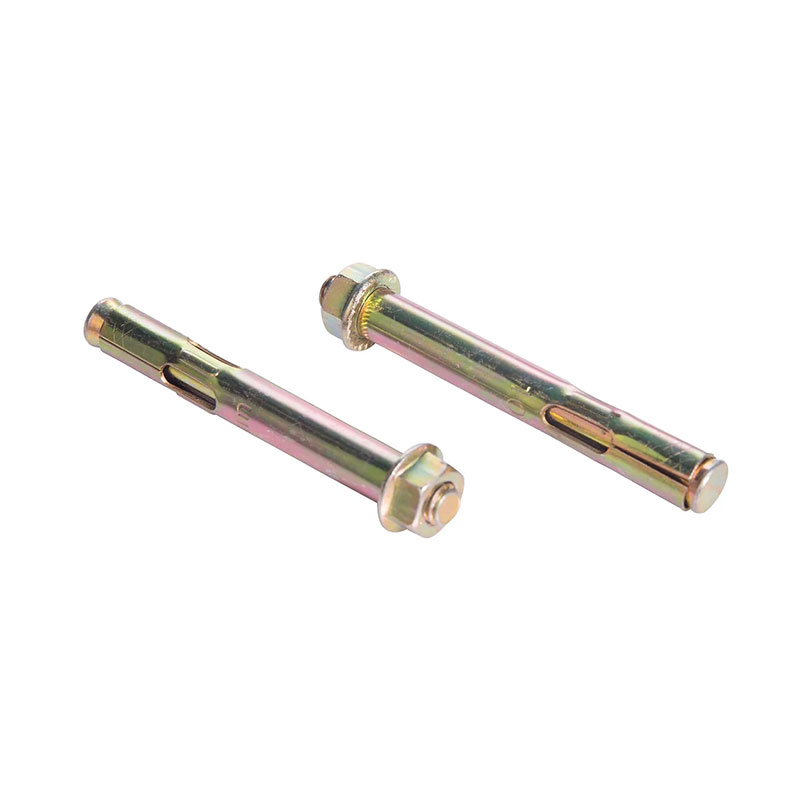
| Solid Concrete | Wedge or sleeve anchor (metal expansion) | Up to 200 kg per anchor |
| Solid Brick | Nylon expansion plug + screw | 20–50 kg per anchor |
| Hollow Block / Cinder Block | Toggle bolt or sleeve-type hollow anchor | 15–30 kg per anchor |
| Drywall / Plasterboard | Self-drilling plastic anchor or metal toggle | 5–20 kg per anchor |
| Aerated Concrete (AAC) | Specialty AAC frame anchor | 10–25 kg per anchor |
Loads vary by anchor diameter, embedment depth, and manufacturer. Always check the product's rated load before installation, especially for overhead or safety-critical applications.
Solid Concrete and Stone: Use Metal Expansion Anchors
For poured concrete, natural stone, or engineered stone, metal wedge or sleeve anchors deliver the highest holding power because they mechanically bite into the drilled hole as the nut is tightened. A single ⅜-inch (9.5 mm) wedge anchor embedded 2.5 inches into 3000 psi concrete can typically hold well over 150 kg in shear, making it the go-to choice for shelving brackets, handrails, and structural fixtures.
Installation Tips
- Drill the hole using the exact bit diameter specified on the anchor packaging — an oversized hole reduces holding strength dramatically.
- Clear dust from the hole with a blower or brush; leftover dust can cut expansion force by 30% or more.
- Drive the anchor to the correct embedment depth, then tighten the nut until you feel resistance — this seats the wedge or sleeve.
Brick and Mortar Joints: Choose Nylon Expansion Plugs
Solid brick is softer and more brittle than concrete, so nylon or plastic expansion plugs paired with a wood or masonry screw are usually the better choice — they expand gently and reduce the risk of cracking the brick face. Avoid drilling into the mortar joint alone when possible; mortar is weaker than the brick itself and anchors set there tend to loosen over time.
A standard 6 mm nylon plug with a matching screw can typically support 20–25 kg when installed into the center of a full brick, which is more than enough for curtain rods, small shelves, or mirror brackets.
Hollow Block and Cinder Block: Go With Toggle-Style Anchors
Hollow block walls have air-filled cavities behind a thin outer shell, so a standard expansion anchor may spin freely instead of gripping. Sleeve-type hollow anchors or toggle bolts are designed to spread out or flare open inside the cavity, distributing load across a wider area of the shell.
When to Use Each Type
- Toggle bolts: best for lightweight to medium loads (up to 15 kg) that need to be removed and reinstalled occasionally.
- Sleeve-type hollow anchors: better for permanent fixtures since they compress against the inner wall face for a firmer grip.
Drywall and Plasterboard: Self-Drilling or Toggle Anchors Work Best
Standard drywall is only about 12.7 mm (½ inch) thick, so anchors here rely on surface friction and flare-out design rather than deep embedment. Self-drilling plastic anchors are the fastest option for light items like picture frames or small shelves (under 10 kg), since they screw directly into the drywall without pre-drilling.
For heavier items — TV mounts, curtain rods, or wall-mounted organizers — metal toggle bolts are the safer choice. A properly installed ⅛-inch toggle bolt can hold roughly 18–20 kg in a single stud-free section of drywall, though whenever possible, anchoring into a wall stud is still stronger and more reliable than any plug alone.
Aerated Autoclaved Concrete (AAC): Use Purpose-Built Frame Anchors
AAC blocks are lightweight and porous, which means standard expansion anchors often crumble the surrounding material instead of gripping it. Specialty AAC anchors use a longer, coarser thread that compresses the cellular structure around the hole rather than relying on outward expansion pressure. These are essential for window frames, door frames, and facade fixtures on AAC construction, which is increasingly common in energy-efficient residential builds.
Common Mistakes That Cause Anchor Failure
Even the right anchor can fail if installed poorly. These are the most frequent errors:
- Using a hollow-wall anchor in solid masonry, or vice versa
- Drilling a hole that's too large or too shallow for the anchor's rated depth
- Overtightening plastic plugs, which can strip the expansion sleeve before the screw is fully seated
- Ignoring the manufacturer's rated load and stacking multiple heavy items on a single anchor point
Final Checklist Before You Buy
Before purchasing expansion anchors or plugs, confirm these three things: wall material, item weight, and anchor diameter/embedment depth. If you're unsure of the wall material, a small test hole in an inconspicuous spot will quickly reveal whether you're dealing with solid masonry, hollow block, or drywall — and that single check can save you from a failed installation later.
 Get In Touch
From concept to production, we cah create the products you want.
 Products
- · SCREWS
- · HEXAGONAL NUTS
- · THREADED BOLTS
- · EXPANSION ANCHORS & PLUGS
- · WIRE SCREW HOOKS
- · SCREW WASHERS
Contact Information Tel: 86-574-62101087
 E-mail: [email protected]
- E-mail: [email protected]
 Add: Xiaocao 'e Binhai Industrial Park, Yuyao, Zhejiang, China
Copyright 2024 Yuyao Cili Machinery Co., Ltd. All Rights Reserved.
 Custom Drilling Screws Manufacturers
Custom Drilling Screws Manufacturers