

 English
 русский
How to Match a Hex Nut to a Bolt: A Sizing & Thread Compatibility Guide
 2026.06.29
 Industry news
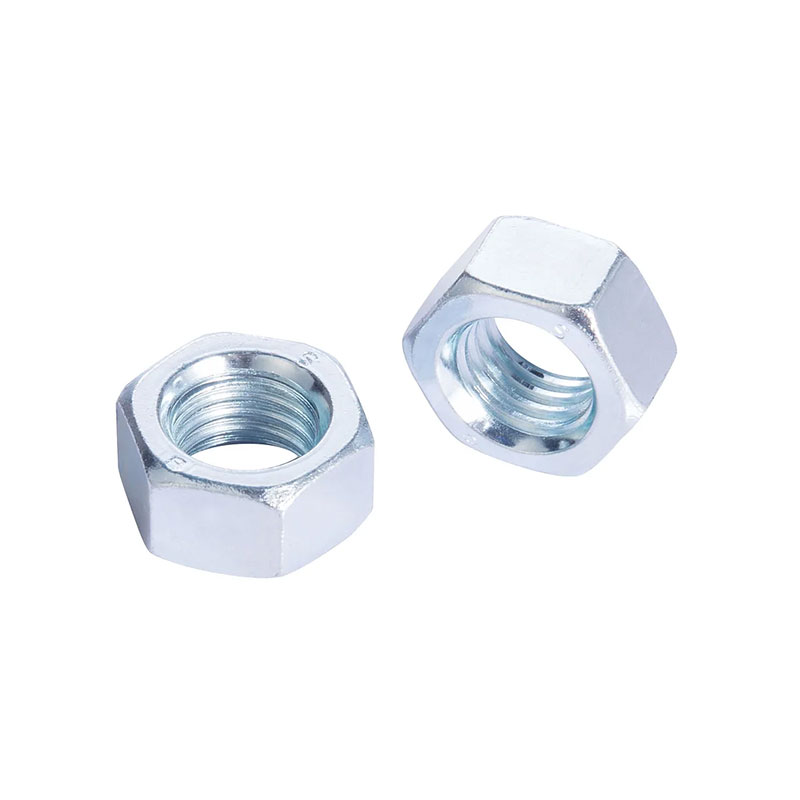
To match a hex nut to a bolt, the thread diameter, thread pitch, and thread standard (Metric vs. Unified/Imperial) must all be identical. For example, an M10 x 1.5 bolt requires an M10 x 1.5 nut — a 3/8"-16 bolt requires a 3/8"-16 nut. The hex head size or wrench size matters only for tool selection, not for fit. The fastest way to confirm a match is to thread the nut onto the bolt by hand for at least 3-4 full turns; if it spins freely without forcing or binding, the sizing is correct.
The sections below explain how to read bolt markings, measure threads without a chart, avoid common metric/imperial mix-ups, and select the correct nut style for your application.
Understand the Three Numbers That Define a Match
Every bolt-and-nut pair is defined by three values. If even one is off, the nut will either not start on the threads or will feel loose and strip under load.
- Thread standard: Metric (ISO) or Unified (UTS/Imperial, used mainly in the US and Canada).
- Major diameter: the outer diameter of the threaded shaft, measured in millimeters (metric) or inches (imperial).
- Thread pitch: the distance between threads, expressed as mm per thread (metric, e.g. 1.5) or threads per inch (imperial, e.g. 16 TPI).
A bolt labeled M8 x 1.25 means an 8mm diameter shaft with 1.25mm between thread crests. A bolt labeled 1/4"-20 means a quarter-inch diameter shaft with 20 threads per inch. These two systems are not interchangeable — a metric nut will never properly fit an imperial bolt, even when the diameters look close on a ruler.
How to Measure a Bolt When There Is No Label
Step 1: Measure the Major Diameter
Use a caliper across the outer edges of the threads, not the smooth shank. Round to the nearest standard size — for example, a reading of 5.9mm to 6.0mm indicates an M6 bolt, since fasteners are manufactured in fixed size steps.
Step 2: Determine the Pitch
For metric bolts, measure the distance across 10 threads with a ruler and divide by 10, or use a thread pitch gauge for accuracy. For imperial bolts, count the number of thread crests within exactly one inch — this is the TPI value. A pitch gauge leaf that sits flush in the thread valleys, with no light gaps, confirms the correct match.
Step 3: Confirm with a Trial Fit
Thread a candidate nut on by hand. It should engage smoothly for at least 3-4 turns with light, even resistance. Grinding, skipping, or needing a wrench to start the nut means the pitch or standard does not match, even if the diameter looked correct.
Common Sizes Cross-Reference Table
The table below lists frequently used metric and imperial bolt sizes alongside the wrench (hex) size needed for the matching nut.
| Bolt Size | Thread Pitch | Matching Nut Size | Wrench Size (Hex) |
|---|---|---|---|
| M5 | 0.8mm | M5 | 8mm |
| M6 | 1.0mm | M6 | 10mm |
| M8 | 1.25mm | M8 | 13mm |
| M10 | 1.5mm | M10 | 17mm |
| 1/4" | 20 TPI | 1/4"-20 | 7/16" |
| 5/16" | 18 TPI | 5/16"-18 | 1/2" |
| 3/8" | 16 TPI | 3/8"-16 | 9/16" |
| 1/2" | 13 TPI | 1/2"-13 | 3/4" |
Avoid the Most Common Mismatch: Metric vs. Imperial Lookalikes
The most frequent fastener error is forcing a nut from the wrong standard onto a bolt because the diameters are close enough to start threading. M8 (8.0mm) and 5/16" (7.94mm) differ by only 0.06mm, which is small enough that a nut may catch the first thread or two before binding. Forcing it past that point damages both parts.
| Metric Size | Imperial Equivalent | Diameter Difference |
|---|---|---|
| M6 (6.0mm) | 1/4" (6.35mm) | 0.35mm |
| M8 (8.0mm) | 5/16" (7.94mm) | 0.06mm |
| M10 (10.0mm) | 3/8" (9.53mm) | 0.47mm |
| M12 (12.0mm) | 1/2" (12.7mm) | 0.7mm |
A thread pitch gauge is the most reliable way to tell these apart, since metric and imperial pitches never align exactly. If a nut needs noticeable force to start the first turn, stop — this is the clearest sign of a standard mismatch, not just a tight fit.
Match the Nut Style to the Application, Not Just the Thread
Once the thread diameter, pitch, and standard match, the nut style should fit the load and environment. Using the right thread with the wrong nut type still leads to failure under vibration or repeated stress.
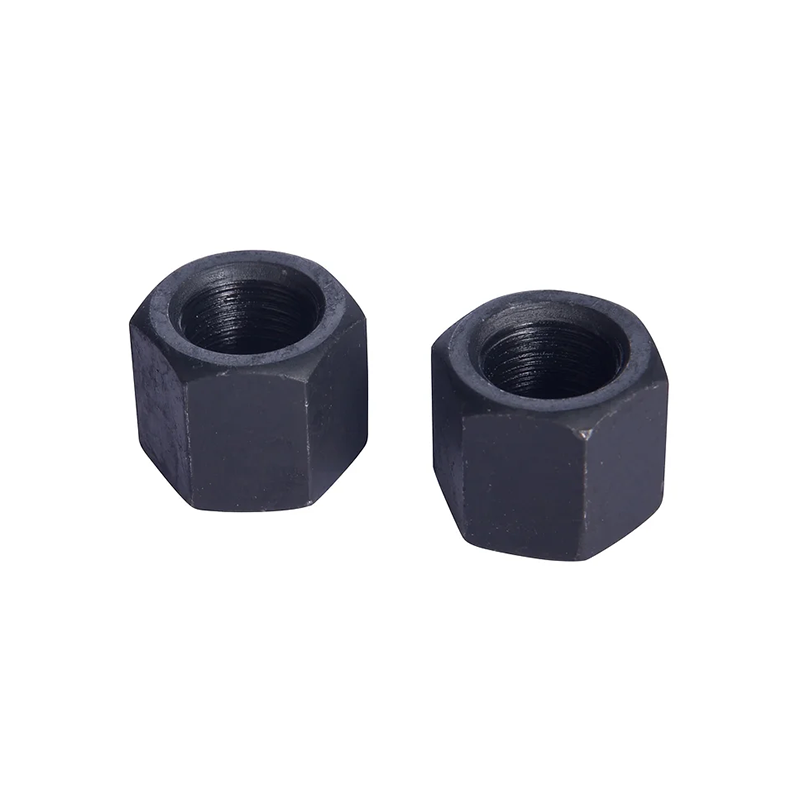
- Standard hex nut: general-purpose use on static, low-vibration assemblies.
- Nylon-insert lock nut (nyloc): resists loosening from vibration, suitable for machinery and automotive applications up to roughly 250°F before the nylon insert degrades.
- All-metal lock nut (distorted thread): needed for high-temperature settings beyond nylon's limit, such as near engines or exhaust components.
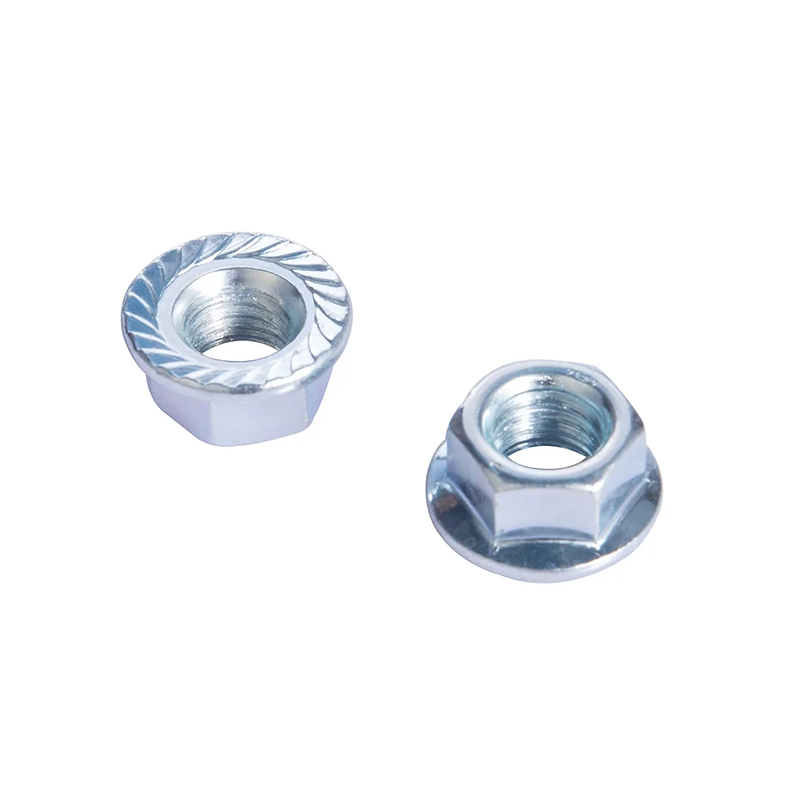
- Flange nut: built-in washer face spreads clamping force, reducing the need for a separate washer.
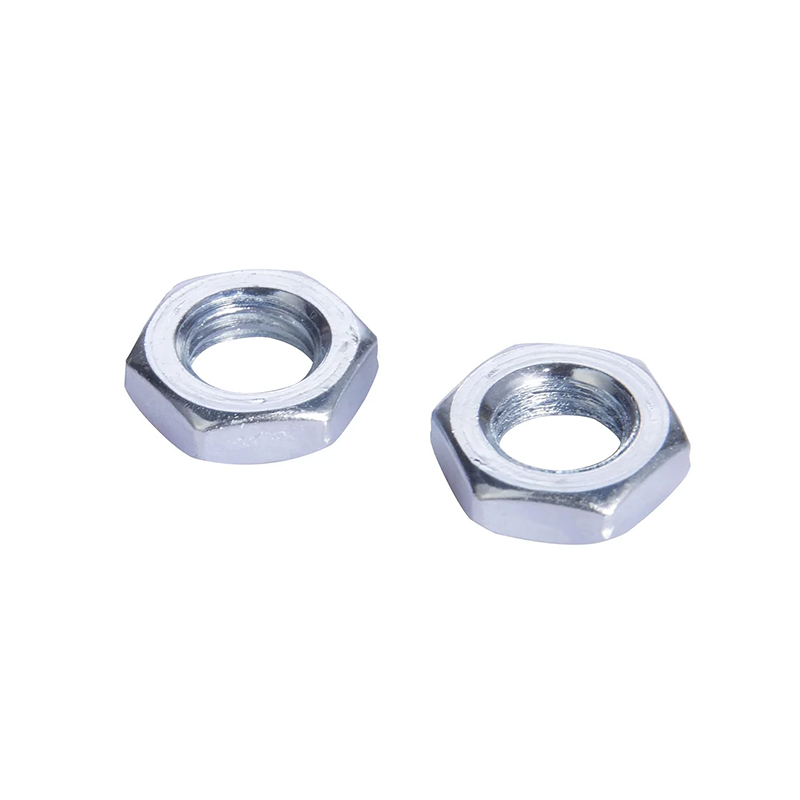
- Jam nut: a thinner nut tightened against a standard nut to lock it in place; used in adjustable rod ends and turnbuckles.
Quick Reference Checklist
Before fastening, confirm these four points to ensure a secure, properly matched connection:
- Thread standard matches: both metric or both imperial — never mixed.
- Major diameter matches within the labeled size (e.g. M8 to M8, not M8 to 5/16").
- Thread pitch matches, verified with a pitch gauge if the label is missing.
- Nut threads on by hand for 3-4 full turns with smooth, even resistance.
 Get In Touch
From concept to production, we cah create the products you want.
 Products
- · SCREWS
- · HEXAGONAL NUTS
- · THREADED BOLTS
- · EXPANSION ANCHORS & PLUGS
- · WIRE SCREW HOOKS
- · SCREW WASHERS
Contact Information Tel: 86-574-62101087
 E-mail: [email protected]
- E-mail: [email protected]
 Add: Xiaocao 'e Binhai Industrial Park, Yuyao, Zhejiang, China
Copyright 2024 Yuyao Cili Machinery Co., Ltd. All Rights Reserved.
 Custom Drilling Screws Manufacturers
Custom Drilling Screws Manufacturers