

 English
 русский
What Size and Length of Roofing Screw Do You Need for Different Roofing Materials?
 2026.05.04
 Industry news
The short answer: roofing screw length must be long enough to penetrate through the roofing material and achieve a minimum of 25mm (1 inch) of thread engagement into the structural substrate — purlin, rafter, or decking. Diameter typically ranges from 4.8mm to 6.3mm depending on load requirements and material thickness. Using the wrong length is the most common cause of pull-out failure, leaks, and structural inadequacy in metal and polycarbonate roofing systems. This guide provides specific size and length recommendations for every major roofing material type.
How Roofing Screw Size Is Specified
Roofing screws are specified by three primary dimensions — diameter, length, and thread type — plus additional characteristics including head style, washer type, and coating. Understanding each dimension prevents the most common sizing errors.
Diameter
Roofing screw diameter determines pull-out strength and shear resistance. Larger diameters provide greater holding power but require pre-drilling in harder substrates and may over-stress thin roofing sheets.
- 4.8mm (No. 10): Standard diameter for light-to-medium roofing applications — corrugated metal sheets, polycarbonate panels, thin steel decking
- 5.5mm (No. 12): Medium-duty applications — standing seam metal roofing, heavier corrugated profiles, timber purlin connections
- 6.3mm (No. 14): Heavy-duty structural applications — thick steel decking, high wind uplift zones, commercial and industrial roofing
Length
Length is measured as the total usable length from the underside of the head to the screw tip. The correct length calculation is:
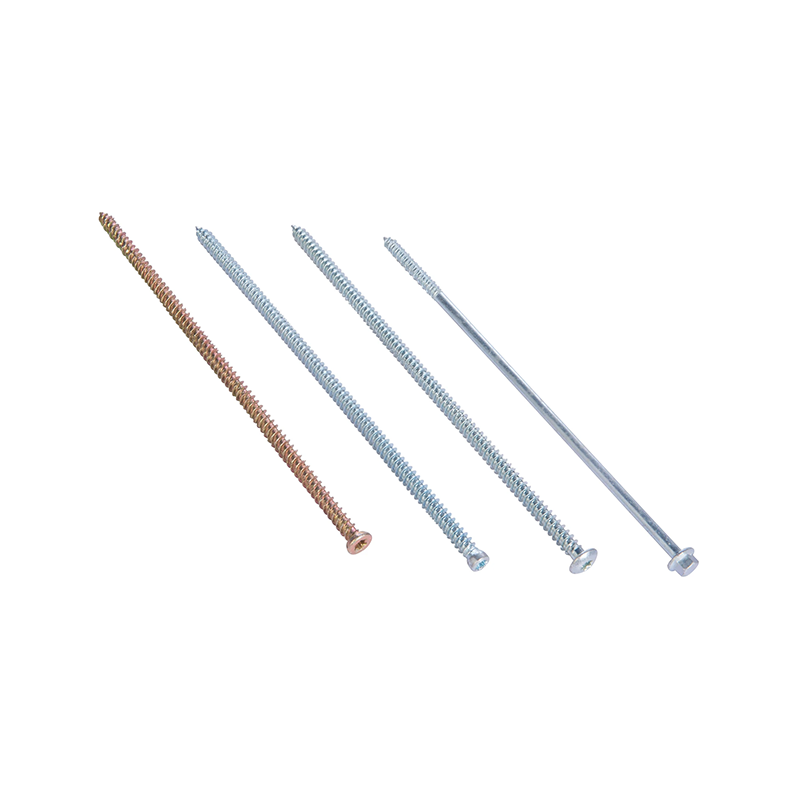
- Roofing material thickness + any insulation or spacer thickness + minimum 25mm substrate penetration = minimum screw length required
- For timber purlins, 35–40mm penetration is recommended for superior pull-out resistance in high wind load areas
- For steel purlins, 3 full thread turns minimum through the steel is the standard engagement requirement
Thread Type
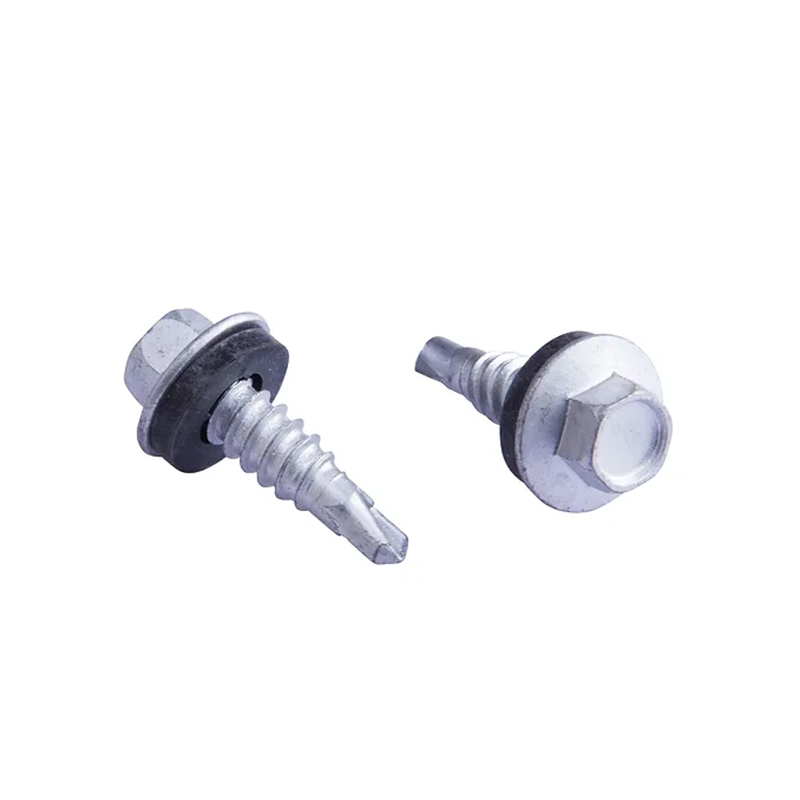
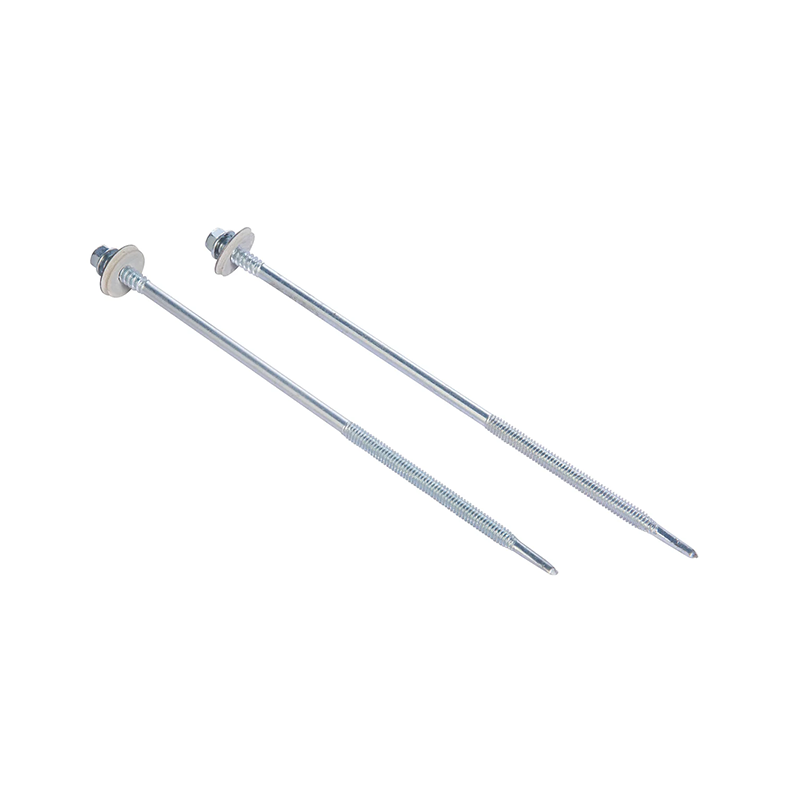
- Self-drilling (TEK) screws: Have a drill bit tip that cuts through steel without pre-drilling. Identified by a TEK number (TEK 1 through TEK 5) indicating the steel thickness they can drill through — TEK 1 drills up to 1.5mm steel, TEK 5 drills up to 12mm steel.
- Self-tapping screws: Have a sharp point that taps its own thread but requires a pre-drilled pilot hole in steel substrates. Preferred for timber purlins where the sharp point grips immediately.
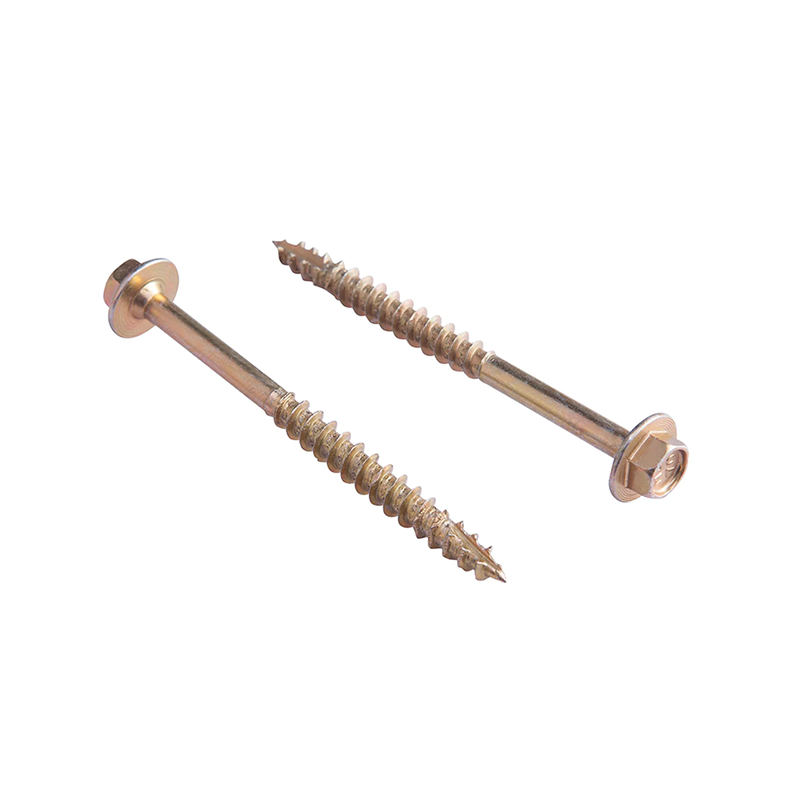
- Coarse thread: Wider thread spacing optimized for timber substrates — maximizes pull-out resistance in wood grain
- Fine thread: Closer thread spacing optimized for metal-to-metal connections — provides better engagement in thin steel
Roofing Screw Size by Substrate: Quick Reference
| Substrate Type | Recommended Diameter | Thread Type | Min. Penetration |
|---|---|---|---|
| Timber purlin / rafter | 4.8mm – 5.5mm | Coarse / self-tapping | 35–40mm |
| Light steel purlin (1–3mm) | 4.8mm – 5.5mm | Fine / TEK 1–2 | 3 full threads |
| Medium steel purlin (3–6mm) | 5.5mm – 6.3mm | Fine / TEK 3–4 | 3 full threads |
| Heavy steel purlin (6–12mm) | 6.3mm | Fine / TEK 5 | 3 full threads |
| Concrete / masonry | 6.3mm+ | Masonry anchor screw | 50mm minimum |
Corrugated Metal Roofing Sheets
Corrugated steel and aluminum roofing is the most common metal roofing profile globally. Screws are installed through the crown (high point) of the corrugation — never through the valley — to prevent water pooling around the screw head and washer.
Recommended Screw Lengths for Corrugated Metal Roofing
| Sheet Profile Height | Timber Purlin | Steel Purlin (1.5–2mm) | Steel Purlin (3–4mm) |
|---|---|---|---|
| 17mm crown height (standard corrugated) | 65mm | 38mm | 45mm |
| 25mm crown height (deep corrugated) | 75mm | 45mm | 55mm |
| 38mm crown height (extra deep / IBR profile) | 90mm | 65mm | 75mm |
- Head type: Hex washer head with 16mm–19mm bonded EPDM rubber washer — the washer compresses against the sheet crown to form a weathertight seal
- Critical installation point: The EPDM washer should be compressed until it is just flush with the screw head flange — over-driving crushes the washer and creates leaks, under-driving leaves gaps that admit water
- Spacing: Every second corrugation at eaves and rakes (structural zones); every third corrugation in the field of the roof
Standing Seam and Concealed Fix Metal Roofing
Standing seam roofing systems use concealed clips or cleats that are screwed to the substrate — the roofing panels then snap or fold over the clips with no exposed fasteners on the roof surface. This eliminates the washer-and-crown penetration point entirely, making standing seam the most weathertight metal roofing system available.
- Clip screw to timber decking: 4.8mm × 50mm coarse thread hex head — screwed through the clip base into structural decking or purlin
- Clip screw to steel purlin: 5.5mm × 25mm TEK 3 fine thread hex head — the short length is sufficient as the screw only needs to penetrate the steel purlin flange
- Panel end fixing at eaves: Where panels are mechanically fixed at the eave end to resist wind uplift, 5.5mm × 38mm screws through pre-punched slots in the panel seam are used — slots rather than holes allow for thermal expansion movement
- Never use oversized screws on clips: Over-length screws that protrude through thin steel purlins create corrosion points and can interfere with clip movement — use the exact length specified by the system manufacturer
Polycarbonate and Translucent Roofing Panels
Polycarbonate roofing panels — whether twin-wall multiwall sheets or solid corrugated panels — require special consideration for thermal expansion. Polycarbonate expands and contracts at approximately 3mm per meter per 10°C temperature change — far more than steel. If screws over-clamp the panel, thermal movement causes cracking around the fastener hole.
Screw Specifications for Polycarbonate Roofing
- Diameter: 4.8mm maximum — larger diameters create oversized holes that compromise the washer seal and allow water ingress
- Washer type: Large-diameter 25mm–32mm EPDM-bonded metal washer — larger than standard metal roofing washers to distribute clamping load across the flexible panel surface
- Pre-drilling: Always pre-drill polycarbonate panels with a hole 2–3mm larger than the screw diameter to allow for thermal movement — a 4.8mm screw requires a 7mm pre-drilled hole in the polycarbonate
- Torque control: Screws must be driven finger-tight plus a quarter turn only — power drivers must be set to the lowest torque setting to avoid cracking the panel around the hole
| Polycarbonate Panel Type | Panel Thickness | Screw to Timber | Screw to Steel |
|---|---|---|---|
| Corrugated solid PC sheet | 0.8mm – 1.2mm | 4.8mm × 65mm | 4.8mm × 38mm TEK |
| Twin-wall multiwall sheet (flat) | 6mm – 16mm | 4.8mm × 75mm | 4.8mm × 45mm TEK |
| Triple-wall multiwall sheet | 25mm – 35mm | 4.8mm × 90mm | 4.8mm × 65mm TEK |
Metal Roof Decking (Structural Steel)
Structural metal roof decking — used in commercial and industrial buildings as the structural floor for built-up roofing membranes, insulation, and waterproofing — is fixed to steel beams and purlins using heavy-duty self-drilling screws with large-diameter washers. The screw must penetrate through the deck flute and into the steel beam flange below.
- Standard deck-to-beam screw: 5.5mm × 38mm or 6.3mm × 38mm TEK 4/5 — the short length reflects that the screw only needs to penetrate the deck rib plus the beam flange
- Side lap stitching screws: 4.8mm × 16mm TEK 1 — very short screws used to connect adjacent deck panels at their overlapping side laps, preventing uplift separation between purlins
- Insulation board attachment: 5.5mm × 75mm–150mm low-profile head screws with large 50mm–75mm stress plates — long enough to penetrate insulation thickness and achieve full engagement in the steel deck below
- Wind uplift zones: In corner and perimeter zones where wind uplift loads are highest, screw spacing is typically halved compared to field zones — verify with structural engineer calculations for the specific building
Roof Tiles and Slates: Fixing Battens and Tiles
Traditional clay, concrete, and natural slate roofing uses a two-stage fastening system — battens are first fixed to the rafter structure, then tiles or slates are nailed or screwed to the battens. Screws are increasingly preferred over nails for tile fixing in high wind zones because they provide superior pull-out resistance and allow tiles to be removed and replaced without damage.
Batten-to-Rafter Fixing Screws
- Standard batten screw: 4.5mm × 65mm or 4.5mm × 75mm coarse thread — penetrates through the batten (typically 25mm thick) and into the rafter with 35–45mm engagement
- Counter batten (for ventilated roof systems): Longer screws of 4.5mm × 90mm–100mm are required to pass through the counter batten, underlay, and into the rafter structure
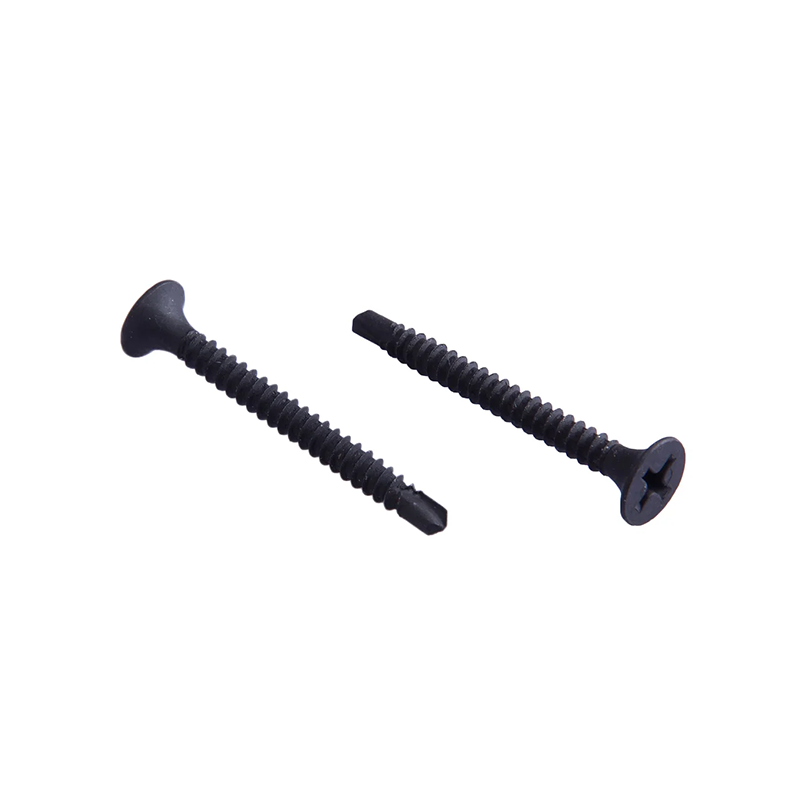
- Head type: Bugle head or countersunk — sits flush with the batten surface so tile nibs seat correctly
Tile-to-Batten Fixing Screws
- Concrete and clay tile screw: 3.5mm × 60mm or 4.0mm × 65mm — passes through the pre-drilled hole in the tile tail and into the batten with minimum 25mm engagement
- Natural slate screw: 3.5mm × 30mm–45mm stainless steel — slate is pre-drilled and countersunk; screw sits flush with the slate surface. Stainless steel is mandatory for slate — zinc-coated screws cause staining and corrode rapidly in the acidic environment created by wet slate
- Ridge and hip tile fixing: 5.5mm × 100mm–150mm screws through the ridge batten into the ridge board or structural timber below — longer screws required due to the depth of the ridge batten assembly
Insulated Sandwich Panel Roofing
Insulated sandwich panels — consisting of two metal face skins bonded to a rigid foam or mineral wool core — are widely used in industrial, agricultural, and cold storage buildings. They require longer screws than single-skin metal roofing to penetrate through the full panel thickness and achieve adequate substrate engagement.
- 80mm panel to steel purlin: 6.3mm × 120mm TEK 5 — must penetrate 80mm panel + 3–4mm steel purlin flange with minimum 3 thread turns
- 100mm panel to steel purlin: 6.3mm × 150mm TEK 5
- 150mm panel to steel purlin: 6.3mm × 200mm TEK 5
- Washer requirement: Large 29mm–32mm bonded EPDM washer essential — the washer must seal against the outer metal skin of the panel, not compress into the foam core
- Thermal bridging consideration: Each screw creates a thermal bridge through the insulation. Premium projects use low-thermal-conductivity screws with insulating sleeves to minimize heat loss through fastener points in cold storage and energy-efficient building applications
Fiber Cement and Bitumen Corrugated Sheets
Fiber cement (formerly asbestos-cement) corrugated sheets and bitumen corrugated sheets are used in agricultural buildings, garden structures, and budget industrial applications. Both materials are brittle and require careful screw selection and pre-drilling to prevent cracking.
Fiber Cement Sheet Fixing
- Screw size: 6.3mm × 75mm–90mm with large 25mm lead washer and separate EPDM sealing washer — the larger diameter distributes clamping load to prevent localized cracking
- Pre-drilling: Mandatory — drill 1–2mm larger than screw diameter through the sheet crown only, never through the valley
- Drive speed: Use low-speed drill or driver — high-speed impact driving cracks fiber cement sheets around the hole
Bitumen Corrugated Sheet Fixing
- Screw size: 4.8mm × 65mm with cap washer (dome-head washer with integrated rubber seal) — the cap washer provides weatherproofing over the soft bitumen material
- Pre-drilling: Required — use the same diameter as the screw shank (not the thread diameter)
- Hot weather installation: In temperatures above 25°C, bitumen sheets soften — reduce screw torque further to avoid crushing the material around the washer
Complete Length Selection Guide by Roofing Material
| Roofing Material | Diameter | Length to Timber | Length to Steel | Washer Type |
|---|---|---|---|---|
| Corrugated metal (standard) | 4.8mm | 65mm | 38mm TEK | 16mm EPDM bonded |
| Corrugated metal (deep profile) | 5.5mm | 90mm | 65mm TEK | 19mm EPDM bonded |
| Polycarbonate corrugated | 4.8mm | 65mm | 38mm TEK | 25–32mm EPDM bonded |
| Multiwall polycarbonate (flat) | 4.8mm | 75–90mm | 50–65mm TEK | 32mm EPDM bonded |
| Insulated sandwich panel (80mm) | 6.3mm | N/A | 120mm TEK 5 | 29mm EPDM bonded |
| Concrete / clay roof tile | 4.0mm | 65mm | N/A | None (countersunk) |
| Natural slate | 3.5mm | 30–45mm | N/A | None (countersunk) |
| Fiber cement corrugated | 6.3mm | 75–90mm | 65mm TEK | 25mm lead + EPDM |
| Bitumen corrugated sheet | 4.8mm | 65mm | N/A | Cap washer with rubber seal |
The Most Costly Sizing Mistakes to Avoid
- Too short into timber: Less than 25mm timber penetration dramatically reduces pull-out resistance. In a 110 km/h wind zone, a correctly embedded screw provides over 1,200N pull-out force — an under-embedded screw may provide less than 400N, insufficient for code compliance.
- Wrong TEK rating for steel thickness: A TEK 1 screw used on 4mm steel will stall before drilling through — the drill tip wears out before penetrating, leaving an unsealed hole in the roofing sheet directly above an undrilled purlin.
- Standard metal roofing screws on polycarbonate: The 16mm washer designed for metal roofing is too small for polycarbonate — it concentrates stress at the hole edge and causes cracking within one to two thermal cycles.
- Zinc screws on natural slate: Zinc coating reacts with the acids in wet slate, corroding within 5–10 years and staining the slate surface. A316 stainless steel is the only acceptable specification for slate fixing.
- Ignoring panel crown height: Selecting screw length based only on substrate type without adding the profile crown height results in screws that bottom out in the substrate without fully compressing the washer — leaving a gap that leaks immediately in the first rainfall.
 Get In Touch
From concept to production, we cah create the products you want.
 Products
- · SCREWS
- · HEXAGONAL NUTS
- · THREADED BOLTS
- · EXPANSION ANCHORS & PLUGS
- · WIRE SCREW HOOKS
- · SCREW WASHERS
Contact Information Tel: 86-574-62101087
 E-mail: [email protected]
- E-mail: [email protected]
 Add: Xiaocao 'e Binhai Industrial Park, Yuyao, Zhejiang, China
Copyright 2024 Yuyao Cili Machinery Co., Ltd. All Rights Reserved.
 Custom Drilling Screws Manufacturers
Custom Drilling Screws Manufacturers