

 English
 русский
How Can You Prevent Stripping When Using Self-Tapping Screws?
 2025.12.22
 Industry news
Stripping a self-tapping screw can be frustrating, especially when working on delicate or important projects. Fortunately, there are several steps you can take to minimize the chances of stripping the screw and ensure that your work holds up over time. By paying attention to the right screw type, proper technique, and tool maintenance, you can avoid this common issue.
1. Choose the Right Size and Type of Screw
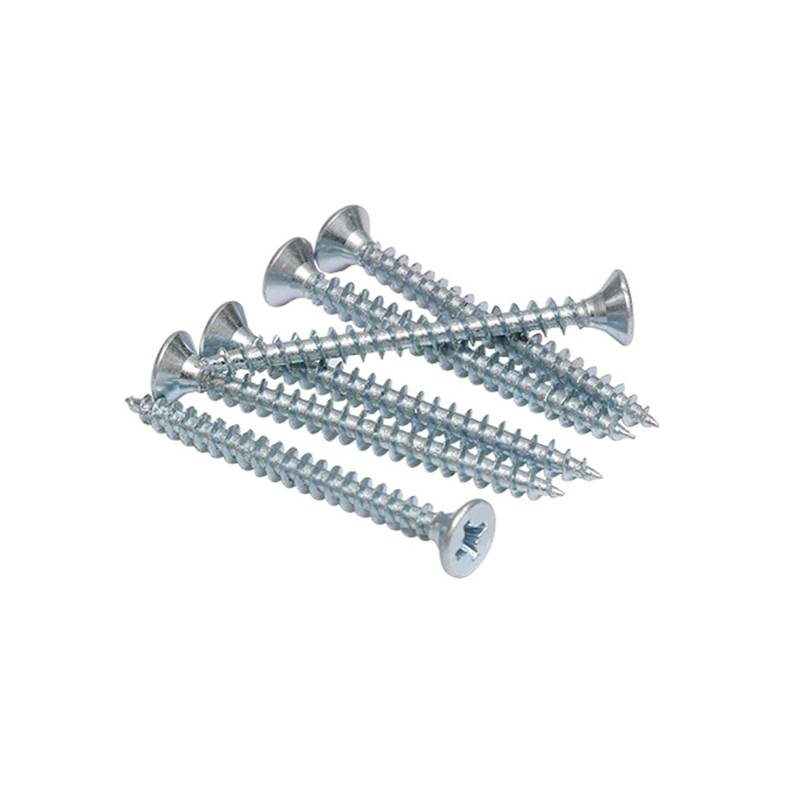
One of the most important steps in preventing stripping is selecting the right self-tapping screw for your material. Self-tapping screws come in various sizes and types, and each is suited for a particular purpose.
- Material Matching: Make sure the screw is appropriate for the material you’re working with. For example, screws meant for wood typically have wider threads to help grip the softer material, while screws for metal or plastic are designed to prevent slipping and provide better threading.
- Screw Size: The diameter and length of the screw should also match the thickness of the material. Using a screw that is too small can cause it to slip, while a screw that is too large can create unnecessary pressure, leading to stripping.
- Thread Type: Self-tapping screws come with different thread designs, such as coarse and fine threads. Coarse threads are ideal for softer materials, while fine threads work better for harder substances. Ensure you’re using the correct type to avoid unnecessary friction that can lead to stripping.
2. Pre-Drill a Pilot Hole
In some cases, particularly when working with hard materials like dense wood, metal, or plastic, it’s a good idea to pre-drill a pilot hole before driving in your self-tapping screw.
A pilot hole is a small hole that guides the screw as it enters the material. Without it, the screw may have difficulty embedding itself properly, leading to the risk of stripping. The pilot hole reduces the friction between the screw and the material, making it easier for the screw to tap into place.
- Pilot Hole Size: It’s crucial to use the right diameter for the pilot hole. If the hole is too large, the screw won’t be able to grip the material properly. On the other hand, a hole that is too small can cause the screw to jam or strip. The pilot hole should be slightly smaller than the screw’s core diameter to allow the threads to bite into the material.
- Materials like Wood and Metal: For wood, pilot holes should be about 80-90% of the screw’s diameter. For metal or harder materials, the hole may need to be closer to the screw’s exact diameter to allow for threading.
Recommended Pilot Hole Sizes for Different Materials
| Material | Pilot Hole Diameter (inches) | Screw Size (inches) |
|---|---|---|
| Softwood | 3/32 - 1/8 | #6 - #8 |
| Hardwood | 1/8 - 5/32 | #6 - #10 |
| Soft Metal (Aluminum, Brass) | 3/32 - 1/8 | #6 - #10 |
| Hard Metal (Steel) | 1/16 - 3/32 | #8 - #12 |
This table serves as a guideline for selecting the correct pilot hole diameter. When unsure, always err on the side of caution by drilling a slightly smaller hole to avoid compromising the screw’s grip.
3. Use the Correct Drill Speed
Drilling speed is an often-overlooked factor when it comes to preventing stripping. If you’re using a power drill to insert your self-tapping screw, the speed at which you drive the screw is crucial.
- Too Fast: Going too fast can generate heat, which weakens both the screw and the material. Excessive speed also increases the risk of the screw slipping out or being driven in at an awkward angle, which can lead to stripping.
- Too Slow: On the other hand, a very slow speed can make the process inefficient and lead to unnecessary wear on both the drill bit and the screw. Finding a middle ground is key.
Pro Tip: If you are using an electric drill, many models have variable speed settings. It’s best to start slow and gradually increase the speed as the screw enters the material, keeping full control of the driving process.
4. Apply Steady Pressure
While it’s important not to apply excessive pressure when driving in a self-tapping screw, a steady hand is equally important. Applying uneven or too much pressure can lead to the screw becoming misaligned, which increases the chances of stripping.
- Even Pressure: Maintain consistent, moderate pressure throughout the driving process to ensure that the screw stays aligned and doesn’t shift. Uneven force can cause the screw to start “wobbling,” and it might slip out of the hole or even strip.
- Don’t Force It: If the screw doesn’t seem to be driving in easily, it’s better to back it out and adjust than to force it. Forcing it can quickly damage the screw’s head, making it more prone to stripping.
Tip: If the screw begins to feel harder to drive in or the drill starts making an unusual noise, stop and reassess. It could be a sign that the screw or material is starting to wear down.
5. Use a High-Quality Driver Bit
The quality of the driver bit you’re using plays a significant role in preventing stripping. A worn-out, damaged, or ill-fitting bit increases the risk of the screw slipping or stripping during installation.
- Perfect Fit: Always choose a driver bit that fits perfectly with the screw head. For example, using a flathead screwdriver with a Phillips screw can cause it to slip out and potentially strip. Using a matching driver bit reduces this risk significantly.
- Magnetic Driver Bits: Consider using magnetic driver bits to ensure that the screw stays securely attached to the tool, minimizing the chance of slippage.
6. Avoid Over-tightening
One of the most common causes of stripped screws is over-tightening. After the screw is securely in place, continuing to drive it can result in the screw head getting damaged.
- Flush with the Surface: Tighten the screw just enough so that the head is flush with the material surface (unless you’re working with materials like wood that require a countersink).
- Use a Torque Control: If you’re using an electric drill or driver, most models come with a torque control feature. This feature will stop the driver once the set amount of torque is reached, preventing over-tightening.
7. Lubricate the Screw
Lubrication helps reduce friction during screw insertion, making it easier to drive the screw in without damaging it. This is especially useful when working with materials like metal or dense wood.
- Types of Lubricants: You can use bar soap, paraffin wax, or even some types of lubricating oils. Apply a small amount of lubricant to the screw threads before insertion. Be sure not to overdo it, as too much lubricant can cause the screw to slip.
8. Use Screws with a Deeper or Better-Designed Head
Certain self-tapping screws come with specially designed heads that help reduce the likelihood of stripping. Look for screws with a deep, well-designed recess for the driver bit.
- Screw Head Design: A deeper or more pronounced head allows for a better grip, reducing slippage. Consider using screws with a #2 or #3 Phillips head, as these are less likely to strip compared to a basic flathead screw.
9. Monitor the Condition of Your Tools
The state of your tools can have a significant impact on the success of your project. Over time, drill bits, driver bits, and screwdrivers wear out, reducing their efficiency and accuracy.
- Replace Worn Tools: If you notice that your driver bits or drill bits have become dull or misshapen, replace them immediately. Worn tools can cause your screws to become misaligned, which increases the risk of stripping.
10. Consider Using a Torque Setting
Some power drills and drivers come with an adjustable torque setting. This allows you to control the amount of force applied while driving the screw, making it easier to avoid over-tightening.
- Consistent Results: The torque setting ensures consistent pressure across multiple screws, reducing the risk of stripping, especially when working with a large number of screws.
FAQ
1. What is the difference between self-tapping and self-drilling screws?
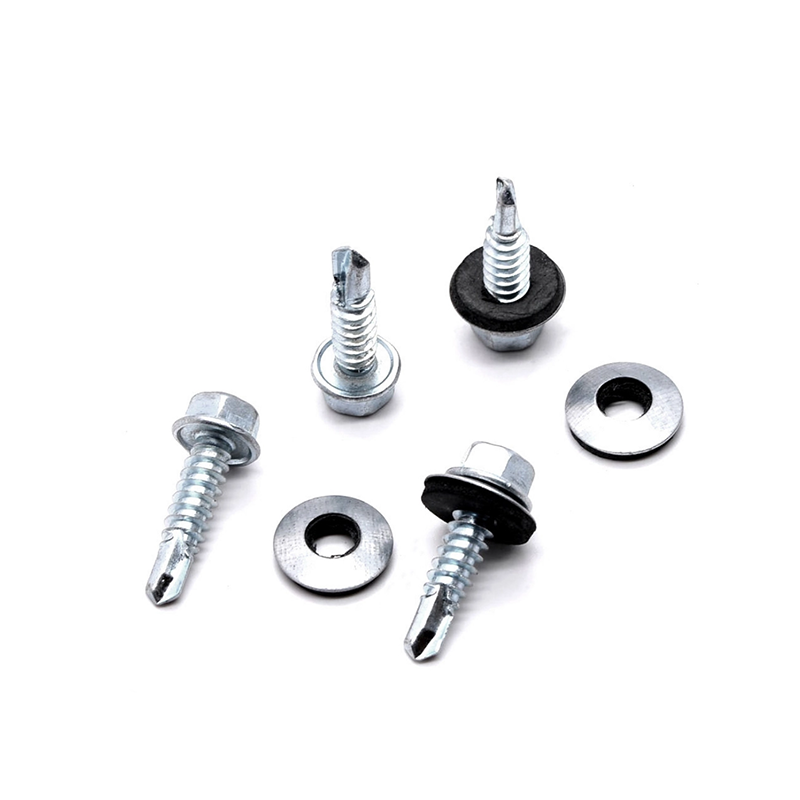
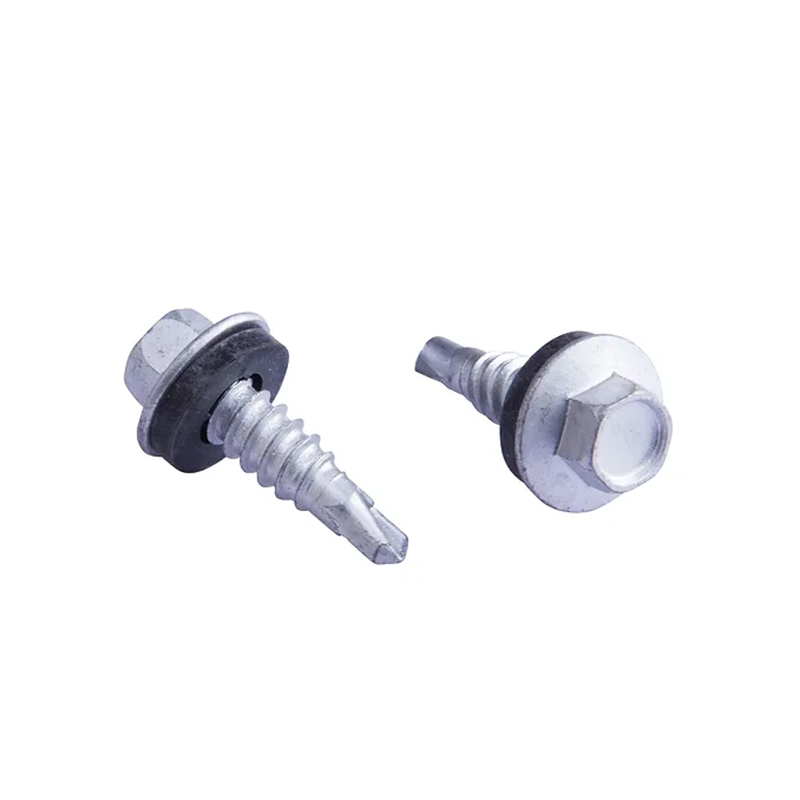
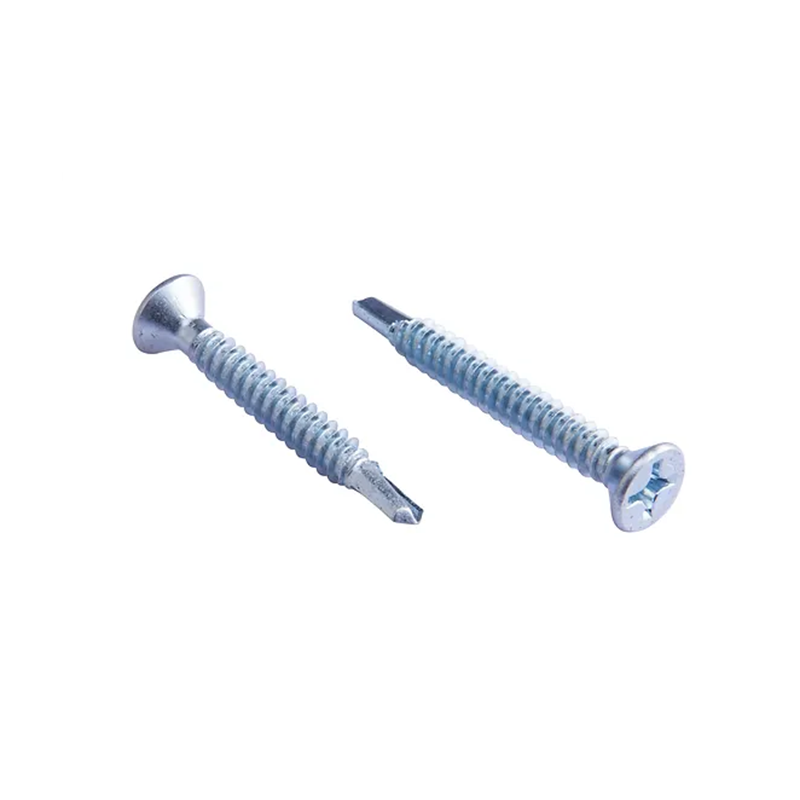
Self-tapping screws create their own threads as they are driven into the material, while self-drilling screws also have a drill bit-like tip that allows them to drill into the material as they are driven in. Self-drilling screws are better suited for metal or very hard materials.
2. Can I use a self-tapping screw in softwood?
Yes! Self-tapping screws are commonly used in softwood. Just make sure to select the correct size and type of screw, and consider pre-drilling a small pilot hole to ensure a clean and easy installation.
3. How can I tell if a screw is stripped?
A stripped screw typically has a head that is rounded out, and the driver bit will no longer grip it securely. If you notice this happening, it’s best to stop and assess the situation before further damage occurs.
4. What should I do if a self-tapping screw keeps slipping?
If a self-tapping screw keeps slipping, it may be because the driver bit is not properly fitted to the screw, or the screw material is too soft. Try changing the bit or using a screw with a different thread design.
References
- Smith, J. (2020). The Ultimate Guide to Self-Tapping Screws: Applications and Best Practices. DIY Publications.
- Johnson, R., & Lee, T. (2018). How to Avoid Stripping Screws in Woodworking Projects. Tool Masters.
- Patel, A. (2022). Screws and Fasteners: A Comprehensive Handbook for DIYers. Woodworking Press.
 Get In Touch
From concept to production, we cah create the products you want.
 Products
- · SCREWS
- · HEXAGONAL NUTS
- · THREADED BOLTS
- · EXPANSION ANCHORS & PLUGS
- · WIRE SCREW HOOKS
- · SCREW WASHERS
Contact Information Tel: 86-574-62101087
 E-mail: [email protected]
- E-mail: [email protected]
 Add: Xiaocao 'e Binhai Industrial Park, Yuyao, Zhejiang, China
Copyright 2024 Yuyao Cili Machinery Co., Ltd. All Rights Reserved.
 Custom Drilling Screws Manufacturers
Custom Drilling Screws Manufacturers