

 English
 русский
Why Are Self-Drilling Screws Preferred in Metal Construction?
 2025.12.15
 Industry news
1. Introduction to Self-Drilling Screws
Self-drilling screws are specialized fasteners designed to drill their own pilot hole while fastening metal sheets or structural components, combining drilling and fastening into a single step. This innovative design eliminates the need for pre-drilling, significantly improving installation speed and efficiency. In metal construction projects, where precision, speed, and reliability are crucial, self-drilling screws are widely preferred over traditional screws or bolts.
Typically made of high-strength steel and often coated with zinc, galvanized, or stainless finishes, self-drilling screws provide corrosion resistance and durability even in harsh environments. The screw tip, commonly referred to as a “drill point,” allows it to penetrate thin to medium-thickness metal sheets without cracking, deforming, or compromising the material’s integrity.
These screws are extensively used in steel framing, metal roofing, HVAC installations, and metal panel assembly. Their combination of speed, strength, and ease of use makes them an indispensable tool for contractors, engineers, and construction professionals, ensuring consistent, high-quality joints and reducing labor-intensive steps in metal fabrication projects.
2. Time and Labor Efficiency
One of the primary reasons self-drilling screws are preferred in metal construction is their ability to save significant time and reduce labor costs. Traditional screws often require a pilot hole to be drilled before fastening, which can be time-consuming and labor-intensive, especially in large-scale projects. Self-drilling screws eliminate this step, allowing workers to drill and fasten in one continuous motion.
This single-step process also reduces the chance of misalignment or errors that can occur during multi-step installations. Workers can perform repetitive fastening tasks more efficiently, which is particularly advantageous for roofing panels, metal siding, and structural steel assemblies.
By streamlining the installation process, self-drilling screws reduce both labor hours and the number of tools required on-site. This efficiency not only accelerates project timelines but also minimizes physical strain on workers, improves productivity, and lowers overall operational costs.
3. Strong Holding Power and Reliability
Self-drilling screws are designed to provide high holding strength and long-term reliability in metal construction applications. Their threads are precision-engineered to grip metal securely, while the drill tip ensures proper penetration without splitting or deforming the material.
The screws are typically hardened and coated for corrosion resistance, making them suitable for outdoor and industrial environments. These properties ensure that the fasteners can withstand mechanical stress, vibration, and environmental exposure over time, which is critical in construction projects involving roofing, steel framing, and HVAC installations.
Comparison of Fastening Methods
| Feature | Self-Drilling Screws | Traditional Screws | Bolts with Nuts |
|---|---|---|---|
| Installation Steps | Single-step | Two-step | Multiple-step |
| Holding Strength | High | Moderate | Very High |
| Suitable for Thin Metal | Yes | Limited | No |
| Labor Time | Fast | Slower | Slower |
| Corrosion Resistance | High (coated) | Varies | Varies |
This table demonstrates how self-drilling screws outperform alternative fastening methods in terms of speed, reliability, and suitability for metal construction.
4. Versatility and Material Compatibility
Self-drilling screws are highly versatile and can be used with a wide variety of metals, including steel, aluminum, and stainless steel. They are compatible with metal sheets of varying thicknesses, making them suitable for applications in roofing, siding, structural steel, and HVAC ductwork.
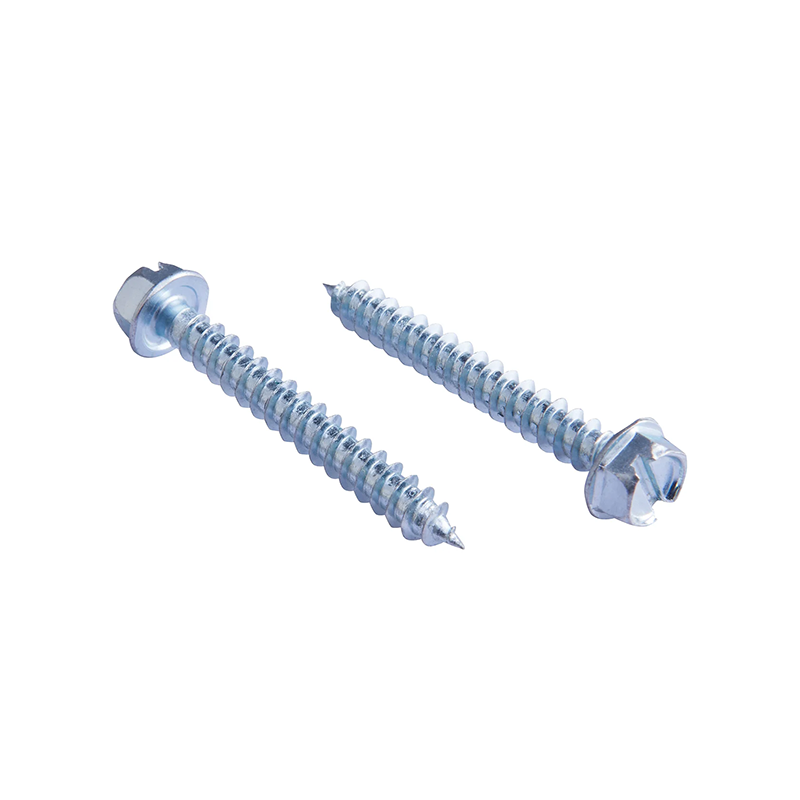
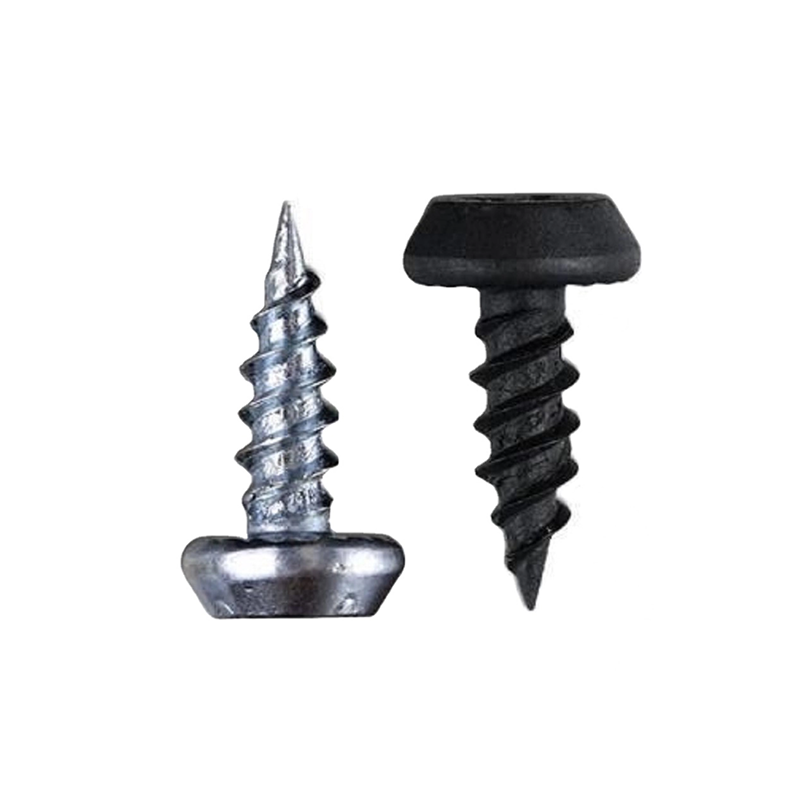
These screws also come in various head types, such as hex, pan, or washer heads, allowing them to match the specific requirements of each construction project. Additionally, they are compatible with a range of installation tools, from electric drills to cordless impact drivers, giving contractors flexibility and efficiency on-site.
The versatility of self-drilling screws extends to environmental resilience. Coated or stainless steel variants resist corrosion and rust, making them suitable for outdoor installations or harsh environments. This adaptability ensures reliable performance in a wide array of construction scenarios.
5. Cost-Effectiveness and Reduced Material Waste
Using self-drilling screws reduces material waste because they eliminate the need for pre-drilling and minimize errors such as misaligned holes or stripped threads. Fewer drill bits are required, and installation time is reduced, which translates into lower labor costs.
The high durability of self-drilling screws also reduces the need for frequent replacements, extending the lifespan of metal assemblies and lowering maintenance expenses. Their cost-effectiveness comes not only from time savings but also from enhanced project quality, minimizing the likelihood of rework or repairs.
By combining efficiency, reliability, and durability, self-drilling screws deliver both economic and operational advantages, making them a preferred choice in modern metal construction projects.
Frequently Asked Questions (FAQ)
Q1: What thickness of metal can self-drilling screws penetrate?
Typically, they can penetrate metal sheets up to 6 mm thick, depending on the screw’s drill point design and size.
Q2: Can self-drilling screws be used outdoors?
Yes, screws with corrosion-resistant coatings or stainless steel variants are ideal for outdoor applications.
Q3: Do self-drilling screws require special tools?
No, they can be installed using standard electric drills, impact drivers, or cordless screwdrivers with the appropriate bit.
Q4: How do self-drilling screws compare to bolts in structural applications?
Self-drilling screws are faster and more suitable for thin to medium metal sheets, while bolts are preferred for heavy structural assemblies requiring high tensile strength.
Q5: Are self-drilling screws reusable?
Generally, they are designed for single-use; reusing them may reduce holding strength and reliability.
References
- Steel Construction Fasteners Handbook, American Iron and Steel Institute
- Metal Roofing Installation Guide, National Roofing Contractors Association
- Corrosion-Resistant Fasteners, ASM International
- Industrial Fastening Technology, Elsevier
 Get In Touch
From concept to production, we cah create the products you want.
 Products
- · SCREWS
- · HEXAGONAL NUTS
- · THREADED BOLTS
- · EXPANSION ANCHORS & PLUGS
- · WIRE SCREW HOOKS
- · SCREW WASHERS
Contact Information Tel: 86-574-62101087
 E-mail: [email protected]
- E-mail: [email protected]
 Add: Xiaocao 'e Binhai Industrial Park, Yuyao, Zhejiang, China
Copyright 2024 Yuyao Cili Machinery Co., Ltd. All Rights Reserved.
 Custom Drilling Screws Manufacturers
Custom Drilling Screws Manufacturers