

 English
 русский
How Do Threaded Hex Bolts Compare to Other Fastening Options?
 2025.12.08
 Industry news
When it comes to fastening components together, choosing the right fastener can make a huge difference in strength, durability, and ease of maintenance. Threaded hex bolts are one of the most commonly used fasteners in industrial, construction, and DIY applications.
1. Design and Structure
Threaded Hex Bolts
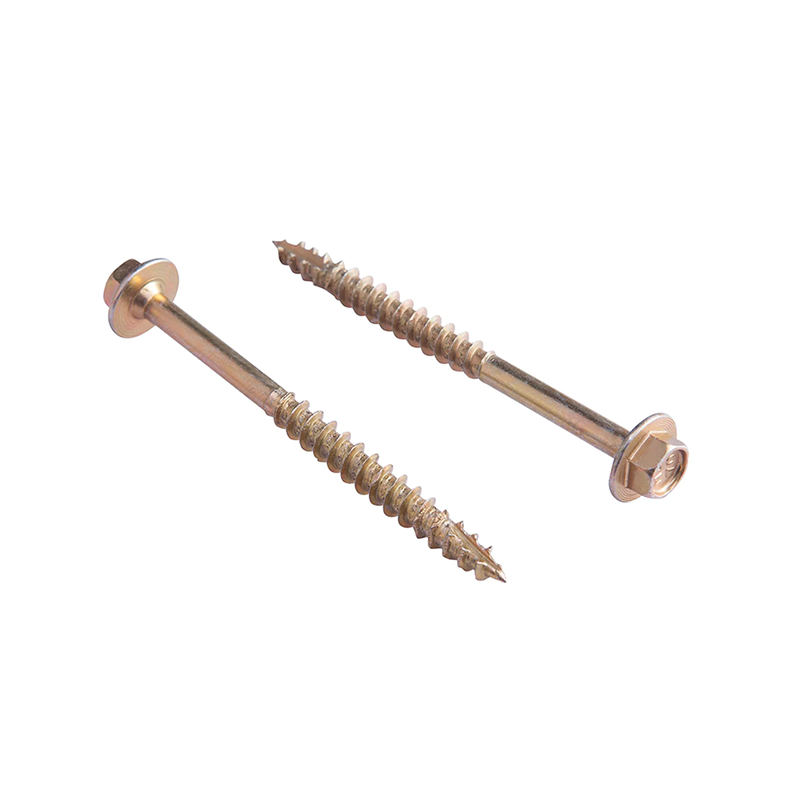
Threaded hex bolts feature a hexagonal head and a threaded shaft. They are designed to be tightened using a wrench or socket, which allows for high torque application. The threading can be partial or full, depending on the application, and they are usually paired with a nut or inserted into a tapped hole.
Other Fasteners
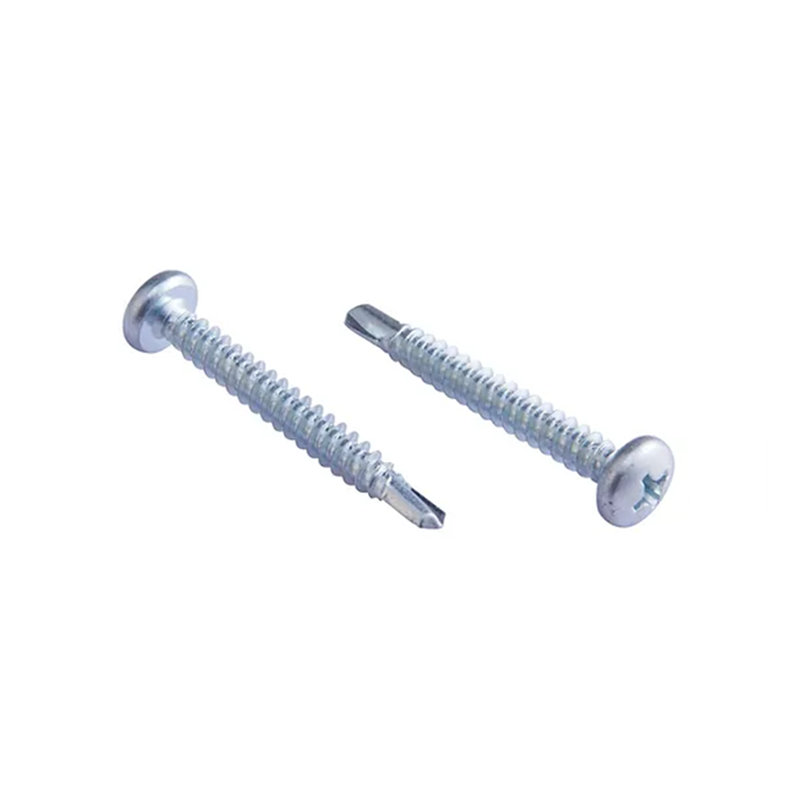
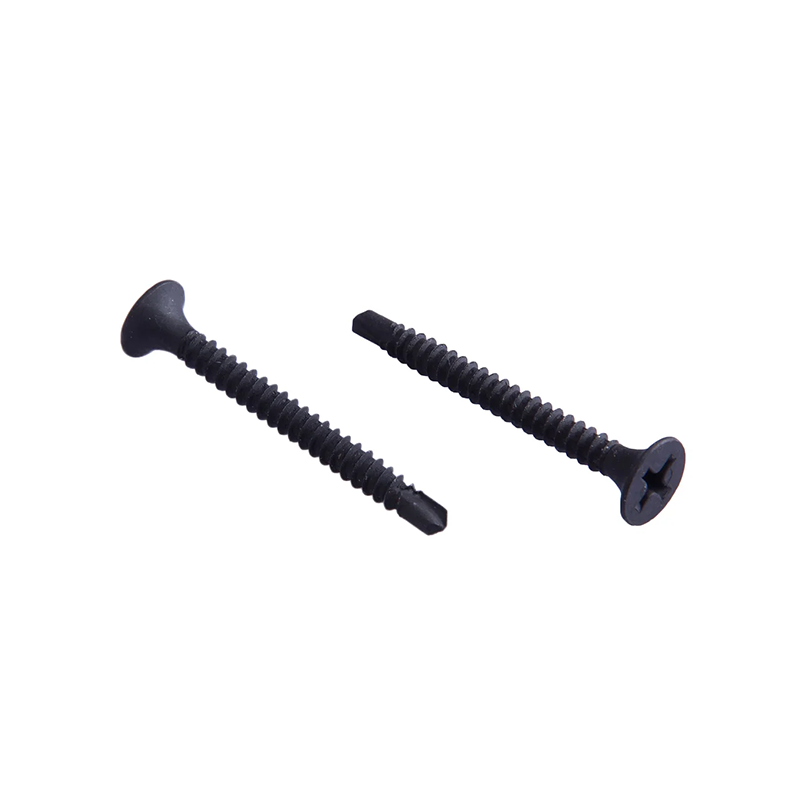
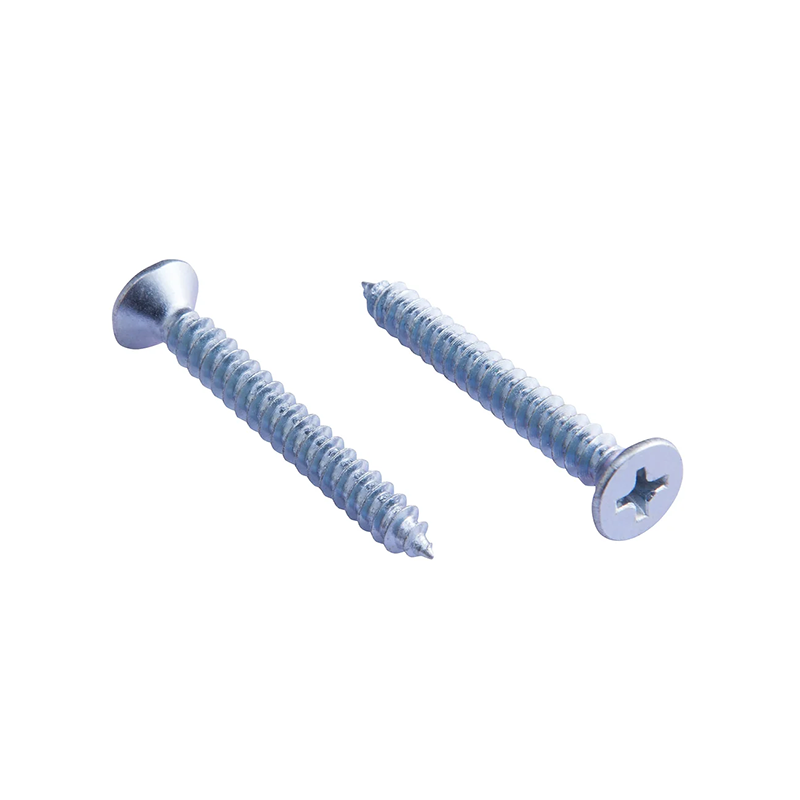
- Screws: Typically smaller than hex bolts and often self-tapping. They can be driven directly into materials without a nut, depending on the type.
- Nails: Simple, smooth or slightly grooved shafts, driven into materials with a hammer. They are usually permanent and do not require threading.
- Rivets: Permanent fasteners that require special tools to deform the tail and lock materials together. They are non-removable once installed.
Comparison:
Hex bolts are versatile, strong, and removable, making them ideal for applications where disassembly might be necessary, unlike nails or rivets which are mostly permanent.
2. Strength and Load Capacity
One of the main reasons engineers and builders prefer threaded hex bolts is their ability to withstand high loads.
Threaded Hex Bolts
Hex bolts excel in tensile strength and shear resistance, especially when used with washers and nuts to distribute the load. They are suitable for both light and heavy-duty applications.
Other Fasteners
- Screws: Offer moderate strength; ideal for lightweight wood or metal applications but not suitable for structural loads.
- Nails: Provide low shear strength; best for temporary fastening or light construction.
- Rivets: Strong in shear but permanent; mainly used in metal fabrication and aerospace applications.
3. Ease of Installation and Removal
Threaded Hex Bolts
Require a wrench, socket, or spanner for installation and removal. Although slightly more time-consuming than nails, they allow for repeated assembly and disassembly without damaging the materials.
Other Fasteners
- Screws: Easy to drive in with a screwdriver; removal is straightforward if the material isn’t stripped.
- Nails: Quick to hammer in but difficult to remove without bending or damaging the wood.
- Rivets: Require specialized tools and cannot be reused.
Comparison:
Hex bolts strike a balance between permanence and removability, making them ideal for machinery, automotive, and construction where maintenance is required.
4. Cost and Availability
Threaded Hex Bolts
Moderately priced and widely available in various grades (steel, stainless steel, alloy) and sizes. They are cost-effective for applications where strength and reusability are important.
Other Fasteners
- Nails: Very cheap and commonly available; great for simple carpentry.
- Screws: Slightly more expensive than nails, with specialty types costing more.
- Rivets: Typically specialized and more expensive due to installation requirements.
5. Applications
Threaded Hex Bolts
Used in construction, automotive assembly, machinery, heavy equipment, and structural steelwork. Their strength and reusability make them ideal for critical applications.
Other Fasteners
- Screws: Furniture, electronics, cabinetry, and light woodwork.
- Nails: Framing, basic carpentry, temporary fixes.
- Rivets: Aircraft, metalwork, and situations requiring permanent joining.
6. Quick Comparison Table
| Feature | Threaded Hex Bolts | Screws | Nails | Rivets |
|---|---|---|---|---|
| Strength | High tensile & shear | Moderate | Low | High (shear) |
| Ease of Installation | Medium (requires wrench) | Easy (screwdriver) | Very easy (hammer) | Difficult (special tools) |
| Removability | High | Moderate | Low | None |
| Cost | Moderate | Low to moderate | Low | High |
| Applications | Structural, machinery | Furniture, light woodwork | Framing, temporary fixes | Permanent metal joining |
| Load Bearing | Excellent | Moderate | Low | High (shear) |
 Get In Touch
From concept to production, we cah create the products you want.
 Products
- · SCREWS
- · HEXAGONAL NUTS
- · THREADED BOLTS
- · EXPANSION ANCHORS & PLUGS
- · WIRE SCREW HOOKS
- · SCREW WASHERS
Contact Information Tel: 86-574-62101087
 E-mail: [email protected]
- E-mail: [email protected]
 Add: Xiaocao 'e Binhai Industrial Park, Yuyao, Zhejiang, China
Copyright 2024 Yuyao Cili Machinery Co., Ltd. All Rights Reserved.
 Custom Drilling Screws Manufacturers
Custom Drilling Screws Manufacturers