

 English
 русский
How Do Threaded Hex Bolts Ensure Strong and Reliable Fastening?
 2026.03.30
 Industry news
Threaded hex bolts are among the most widely used fasteners in construction, machinery, automotive, and industrial applications. Their ability to provide strong and reliable fastening is essential for maintaining structural integrity and operational safety. These bolts are designed with a hexagonal head for easy tightening and a threaded shaft that allows them to securely engage with nuts or tapped holes. The effectiveness of threaded hex bolts lies in their design, material properties, and proper installation methods.
1. Thread Design and Mechanical Engagement
Precision Thread Geometry
The thread design of hex bolts plays a fundamental role in ensuring secure fastening. Threads are engineered with precise geometry, including pitch, depth, and angle, to create strong mechanical engagement between the bolt and the mating component. This design allows the load to be distributed evenly along the threads, reducing stress concentration and minimizing the risk of stripping or failure.
Standardized thread systems such as metric and UNC/UNF ensure compatibility and consistent performance across different applications. High-quality manufacturing processes further enhance thread accuracy, ensuring a tight and reliable fit.
Friction and Clamping Force
When a threaded hex bolt is tightened, it generates clamping force that holds the joined components together. This force is created through friction between the threads and the contact surfaces. Properly designed threads maximize friction while maintaining smooth engagement, allowing the bolt to resist loosening under load.
The balance between friction and tension is critical. Too little friction may lead to loosening, while excessive friction can cause galling or damage. Modern bolts are designed to achieve optimal performance under various conditions.
2. Material Strength and Mechanical Properties
High-Strength Materials
Threaded hex bolts are typically manufactured from materials such as carbon steel, alloy steel, and stainless steel. These materials offer high tensile strength, enabling the bolts to withstand significant loads without deformation or failure. Heat treatment processes, such as quenching and tempering, further enhance mechanical properties.
Material selection is crucial for ensuring long-term reliability. For example, alloy steel bolts are often used in high-stress environments, while stainless steel bolts provide excellent corrosion resistance for outdoor or marine applications.
Load-Bearing Capacity
The strength of a threaded hex bolt is determined by its ability to handle tensile, shear, and fatigue loads. Properly designed bolts distribute these forces evenly across the joint, preventing localized stress that could lead to failure. This makes them suitable for applications requiring high durability and safety.
3. Surface Treatment and Corrosion Resistance
Protective Coatings
Surface treatments such as galvanization, zinc plating, and black oxide coating are commonly applied to threaded hex bolts to enhance their durability. These coatings protect the bolt from corrosion, which can weaken the material and compromise fastening strength.
Corrosion resistance is especially important in outdoor or harsh environments where exposure to moisture, chemicals, or extreme temperatures can degrade the bolt over time.
Extended Service Life
By preventing rust and material degradation, surface treatments extend the service life of threaded hex bolts. This ensures that the fastening remains secure over long periods, reducing maintenance requirements and improving overall system reliability.
4. Proper Installation and Torque Control
Correct Tightening Techniques
Proper installation is essential for achieving reliable fastening. Applying the correct torque ensures that the bolt generates sufficient clamping force without being overstressed. Under-tightening can lead to joint loosening, while over-tightening may cause bolt failure or damage to the threads.
Using calibrated tools such as torque wrenches helps achieve accurate and consistent tightening, improving the overall performance of the fastening system.
Use of Washers and Locking Devices
Additional components such as washers and locking mechanisms can enhance the effectiveness of threaded hex bolts. Washers distribute the load more evenly, reducing surface damage and improving stability. Locking devices, such as lock nuts or thread-locking adhesives, help prevent loosening due to vibration or dynamic loads.
5. Resistance to Vibration and Dynamic Loads
Secure Fastening Under Movement
In many applications, threaded hex bolts are subjected to vibrations and dynamic forces. Properly designed threads and sufficient clamping force enable the bolts to resist loosening under such conditions. This is particularly important in machinery and automotive systems where continuous movement is present.
Anti-Loosening Solutions
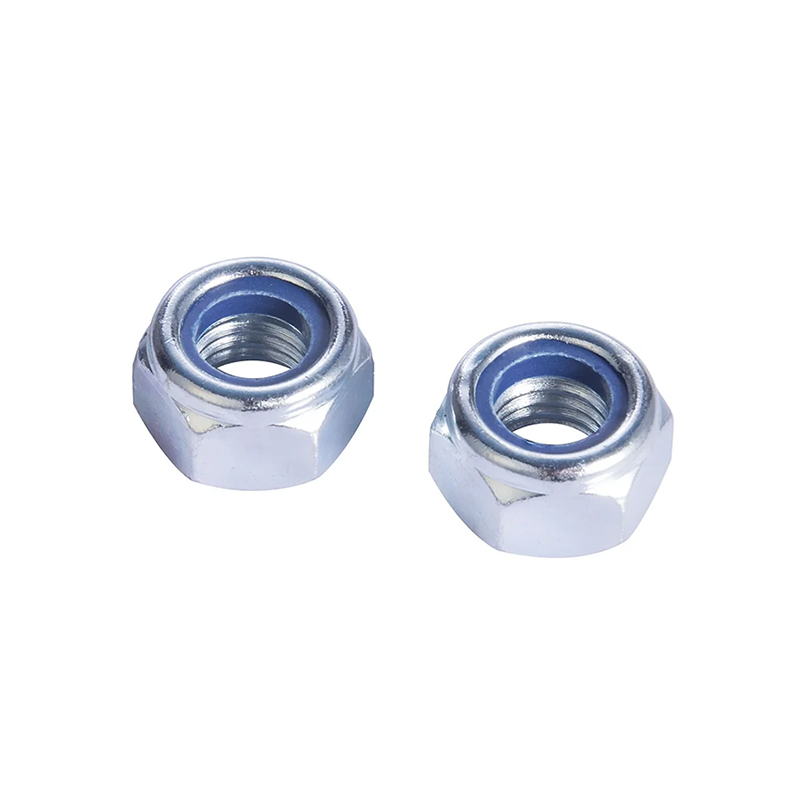
To further enhance reliability, various anti-loosening techniques can be employed. These include the use of lock washers, nylon-insert nuts, and thread-locking compounds. These solutions provide additional resistance against vibration-induced loosening, ensuring long-term stability.
6. Standardization and Quality Control
Compliance with Standards
Threaded hex bolts are manufactured according to international standards such as ISO, DIN, and ASTM. These standards define dimensions, material properties, and performance requirements, ensuring consistent quality and compatibility across different applications.
Quality Assurance Processes
Strict quality control measures, including dimensional inspection, mechanical testing, and surface analysis, ensure that each bolt meets required specifications. High-quality manufacturing processes reduce the risk of defects and enhance the reliability of the final product.
Performance Factors of Threaded Hex Bolts
| Factor | Description | Impact on Fastening |
|---|---|---|
| Thread Design | Precision geometry and pitch | Ensures secure engagement |
| Material Strength | High tensile and yield strength | Supports heavy loads |
| Surface Treatment | Anti-corrosion coatings | Extends service life |
| Installation Torque | Controlled tightening force | Prevents loosening or failure |
| Locking Mechanisms | Additional anti-loosening devices | Enhances stability |
| Quality Standards | ISO, DIN compliance | Ensures consistency and reliability |
FAQ
1. What makes threaded hex bolts strong?
Their strength comes from high-quality materials, precise thread design, and proper installation that creates sufficient clamping force.
2. How do threaded hex bolts prevent loosening?
They rely on friction between threads and clamping force, often enhanced by locking devices such as washers or adhesives.
3. Why is torque important in fastening?
Correct torque ensures the right balance of tension and friction, preventing both loosening and over-tightening damage.
4. Can threaded hex bolts be used in outdoor environments?
Yes, especially when coated or made from corrosion-resistant materials like stainless steel.
5. What standards apply to threaded hex bolts?
Common standards include ISO, DIN, and ASTM, which define dimensions and performance requirements.
References
- ISO 898-1 Mechanical Properties of Fasteners
- ASTM A325 Structural Bolts Specification
- Machinery’s Handbook – Fastening and Thread Design
- Industrial Fastener Institute Standards and Guidelines
 Get In Touch
From concept to production, we cah create the products you want.
 Products
- · SCREWS
- · HEXAGONAL NUTS
- · THREADED BOLTS
- · EXPANSION ANCHORS & PLUGS
- · WIRE SCREW HOOKS
- · SCREW WASHERS
Contact Information Tel: 86-574-62101087
 E-mail: [email protected]
- E-mail: [email protected]
 Add: Xiaocao 'e Binhai Industrial Park, Yuyao, Zhejiang, China
Copyright 2024 Yuyao Cili Machinery Co., Ltd. All Rights Reserved.
 Custom Drilling Screws Manufacturers
Custom Drilling Screws Manufacturers