

 English
 русский
How to Choose and Use the Right Self-Drilling Screws? A Comprehensive Selection Guide
 2026.02.02
 Industry news
In the competitive landscape of modern construction and industrial manufacturing, the choice of fasteners often dictates the structural integrity and longevity of a project. Self-drilling screws, frequently referred to in the industry as Tek screws, have become an indispensable component for professionals seeking to optimize labor efficiency without compromising quality. These specialized fasteners are designed to perform three distinct functions in a single, fluid motion: drilling a pilot hole, tapping a thread, and securing the materials together. However, the apparent simplicity of their use belies a complex engineering logic. Selecting the wrong fastener for a specific gauge of steel or environmental condition can lead to catastrophic failures, including shearing, hydrogen embrittlement, or accelerated corrosion.
The Engineering Logic Behind Self-Drilling Screw Selection
Choosing the correct self-drilling screw requires a deep understanding of the mechanical relationship between the fastener and the substrate. The most common error in the field is a mismatch between the drill point capacity and the thickness of the metal being penetrated. To avoid these pitfalls, engineers and procurement specialists must evaluate several critical variables before finalizing their fastener specifications.
Understanding Drill Point Geometry and Capacity
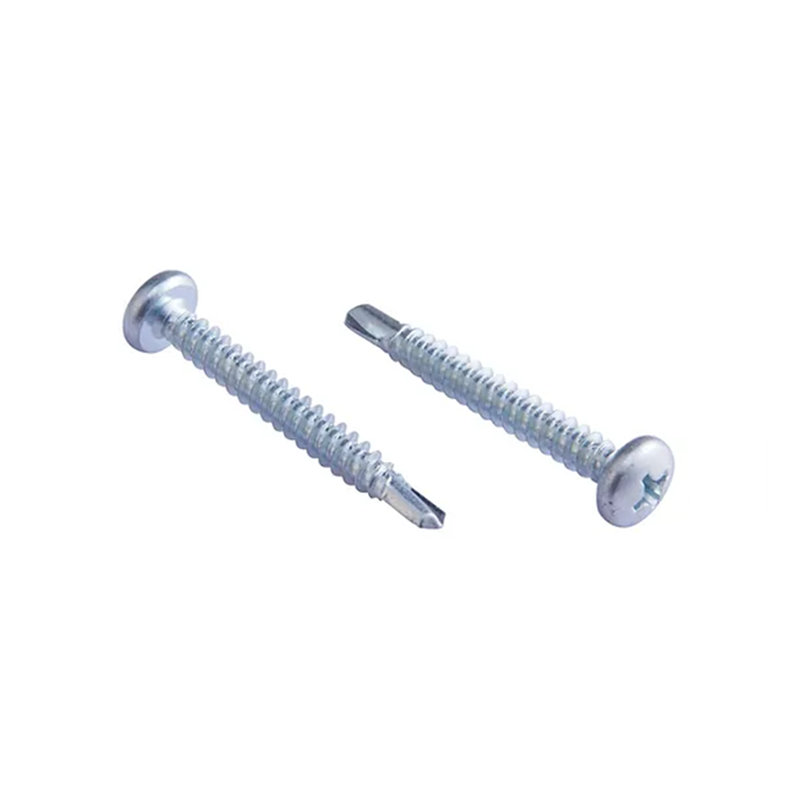
The drill point is the defining feature of a self-drilling screw. These points are typically numbered from 1 to 5, with each number corresponding to a specific range of metal thickness. For example, a #2 point is engineered for light-gauge sheet metal, while a #5 point is a heavy-duty variant capable of piercing structural steel up to 12.5mm thick. The length of the drill point must be longer than the total thickness of the material being joined. If the threads of the screw engage the material before the drill point has fully penetrated and cleared the shavings, the screw will stall or “jack,” causing the materials to separate or the screw to snap. This is why measuring the total material stack—including insulation, spacers, and secondary substrates—is a non-negotiable step in the selection process.
Material Composition and Heat Treatment
The performance of a self-drilling screw is also heavily influenced by its metallurgical composition. Most standard self-drilling screws are manufactured from high-carbon steel that has been case-hardened. This process creates a hard outer shell that can cut through structural steel while maintaining a relatively ductile core to resist shearing under tension. However, in environments where corrosion is a factor, such as coastal areas or chemical plants, 300-series stainless steel is often required. Since 300-series stainless cannot be hardened enough to drill through steel, manufacturers offer “Bi-Metal” screws. These consist of a carbon steel drill tip fused to a stainless steel shank, providing the best of both worlds: superior drilling performance and maximum corrosion resistance. Understanding these material trade-offs is essential for ensuring the long-term safety of metal roofing, cladding, and solar installations.
Operational Excellence: Professional Installation Techniques
Even the most technologically advanced fastener will underperform if installed using improper techniques. Operational excellence in fastening is achieved through a combination of the right tools, correct torque settings, and an understanding of the thermal dynamics involved in the drilling process.
Optimizing Drill Speed and End-Load Pressure
The relationship between rotational speed (RPM) and pressure (end-load) is the most critical factor during installation. A common mistake among novice installers is to use maximum drill speed on heavy structural steel. High RPM on thick metal creates excessive friction, which generates heat faster than the flute of the screw can dissipate it. This leads to a phenomenon known as “point burnout,” where the tip of the screw reaches a temperature high enough to lose its hardness, essentially melting against the substrate. For heavy structural applications using #4 or #5 points, a low-speed, high-torque drill setting is mandatory. Conversely, light-gauge applications require higher RPMs to facilitate a quick bite into the metal. Finding the “sweet spot” ensures that the drill point functions as a cutting tool rather than a friction device, significantly extending the life of both the fastener and the drill motor.
Managing Torque and Sealing Integrity
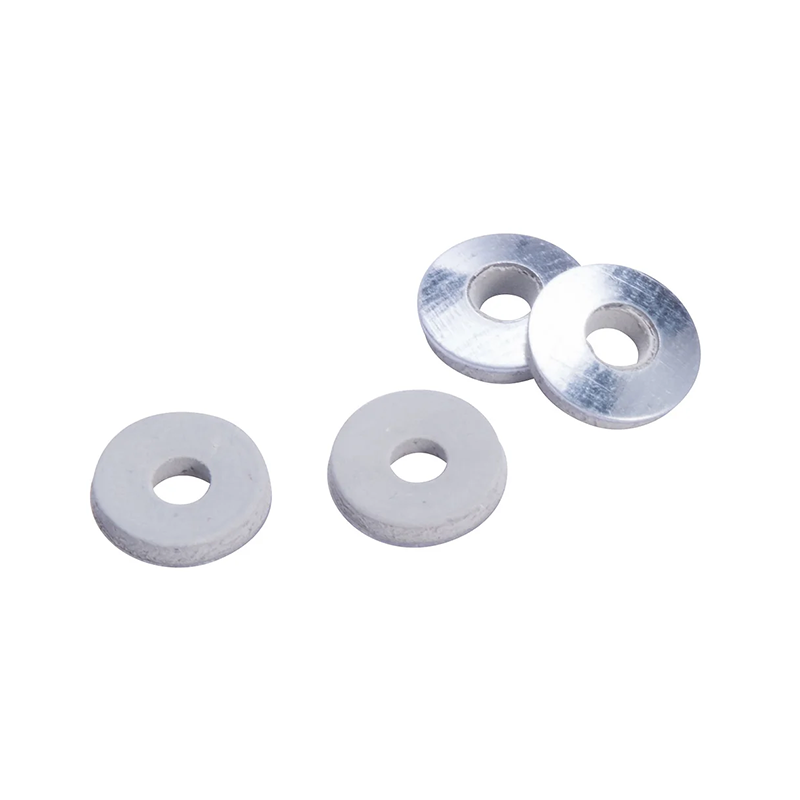
Once the drilling and tapping phases are complete, the final phase is the “seating” of the fastener. In roofing and cladding projects, this almost always involves an EPDM (Ethylene Propylene Diene Monomer) washer. The goal is to achieve a leak-proof seal without damaging the washer. Professionals utilize “torque-limiting” drivers or clutches to prevent over-tightening. If the screw is driven too deep, the EPDM washer will be crushed, causing it to splay out and eventually crack under UV exposure. An under-tightened screw is equally problematic, as it allows moisture to travel down the threads, leading to internal corrosion and leaks. The ideal installation results in a washer that is compressed to approximately 70% of its original thickness, creating a concave profile that directs water away from the fastener head. Proper torque management not only ensures a waterproof seal but also prevents the stripping of the newly formed internal threads in the substrate.
Environmental Factors and Corrosion Prevention
The lifespan of a construction project is often limited by the corrosion rate of its fasteners. When selecting self-drilling screws, one must account for the atmospheric conditions and the potential for galvanic reaction between dissimilar metals.
Atmospheric Corrosivity and Coating Selection
Fasteners are categorized by their coating performance, usually measured in hours of salt spray testing. Standard zinc plating provides minimal protection and is intended only for dry, indoor environments. For outdoor use, high-performance ceramic coatings or mechanical galvanizing are required. These coatings provide a sacrificial layer that protects the steel core from oxidation. In highly corrosive “C4” or “C5” environments—such as marine zones or high-pollution industrial areas—nothing less than 304 or 316 grade stainless steel fasteners should be specified. It is also important to consider the “cut-edge” corrosion of the substrate itself; using a high-quality fastener with a poor-quality coating can trigger localized corrosion that weakens the entire structural panel.
Comparison of Drill Point Specifications and Performance
To aid in the selection process, the following table outlines the technical specifications for the most common self-drilling screw point types.
| Point Type | Recommended RPM | Max Material Thickness (Steel) | Primary Industrial Application |
|---|---|---|---|
| #2 Point | 2500 - 3000 | Up to 2.8mm | HVAC Ductwork and Light Framing |
| #3 Point | 1800 - 2500 | Up to 4.5mm | General Construction and Purloins |
| #4 Point | 1500 - 2000 | Up to 6.3mm | Structural Tubing and Heavy Cladding |
| #5 Point | 1000 - 1500 | Up to 12.5mm | Heavy Structural I-Beams |
Frequently Asked Questions (FAQ)
What is the difference between a self-drilling and a self-tapping screw?
While both screws create their own threads, a self-drilling screw has a tip that acts as a drill bit to create its own hole. A self-tapping screw requires a pre-drilled pilot hole before it can tap its threads into the material.
Can self-drilling screws be used in wood-to-metal applications?
Yes, but you must use a specific type of self-drilling screw known as a “reamer” screw. These have small “wings” on the shank that drill a clearance hole in the wood, then break off when they hit the metal, allowing the threads to engage the metal substrate only.
Why do some screws fail during installation in cold weather?
In extremely cold temperatures, carbon steel can become brittle. This increases the risk of the screw head snapping during the high-torque seating phase. In such cases, pre-warming the fasteners or using specific alloyed screws is recommended.
Technical References and Standards
- SAE J78: Physical and Mechanical Requirements for Steel Self-Drilling Tapping Screws.
- DIN 7504: Self-drilling tapping screws with tapping screw thread - Dimensions and technical delivery conditions.
- ASTM C1513: Standard Specification for Steel Tapping Screws for Cold-Formed Steel Framing Connections.
 Get In Touch
From concept to production, we cah create the products you want.
 Products
- · SCREWS
- · HEXAGONAL NUTS
- · THREADED BOLTS
- · EXPANSION ANCHORS & PLUGS
- · WIRE SCREW HOOKS
- · SCREW WASHERS
Contact Information Tel: 86-574-62101087
 E-mail: [email protected]
- E-mail: [email protected]
 Add: Xiaocao 'e Binhai Industrial Park, Yuyao, Zhejiang, China
Copyright 2024 Yuyao Cili Machinery Co., Ltd. All Rights Reserved.
 Custom Drilling Screws Manufacturers
Custom Drilling Screws Manufacturers