

 English
 русский
How to Choose the Right Threaded Bolt for Your Project?
 2025.11.03
 Industry news
Choosing the right Threaded Bolt is a critical step for any project. Whether it’s for construction, machinery, or furniture assembly, selecting the proper bolt directly affects the stability and safety of the structure.
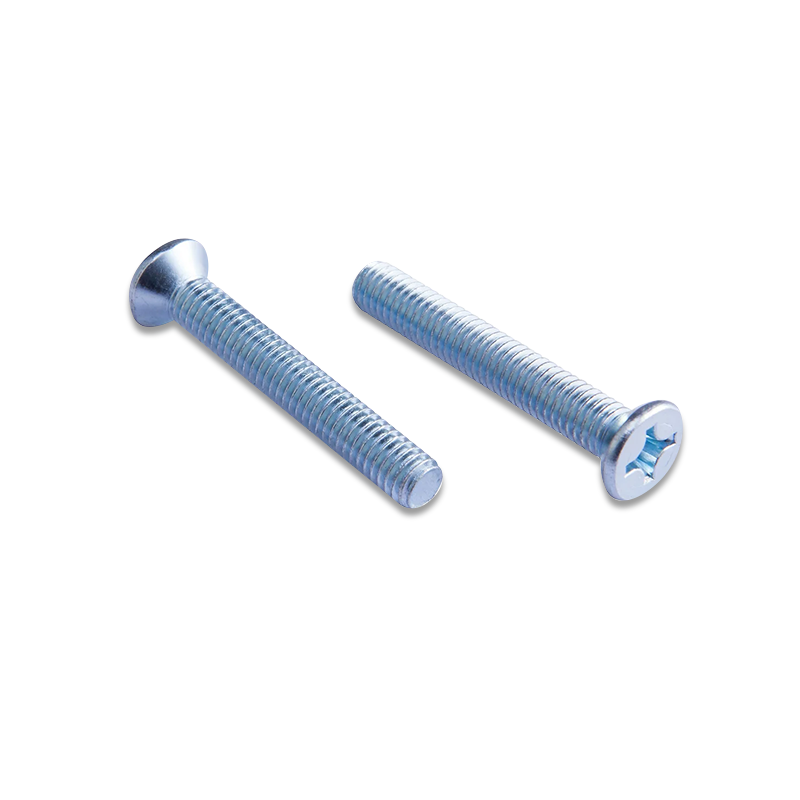
1. Determine the Purpose of the Bolt
Before selecting a threaded bolt, you first need to clarify its purpose, as different applications have different performance requirements.
1.1 Type of Load
Bolts mainly bear two types of loads: tensile load and shear load.
- Tensile load: If the bolt primarily experiences pulling forces, choosing a high-strength bolt is crucial.
- Shear load: If the bolt mainly bears shear forces, partially threaded bolts may be better than fully threaded bolts because the unthreaded section can handle shear more effectively.
1.2 Environmental Conditions
The working environment directly determines the material selection and protective measures:
- Indoor environments: Standard carbon steel bolts are usually sufficient.
- Outdoor or humid environments: Stainless steel or galvanized bolts are recommended to prevent corrosion.
- Corrosive environments: For chemical plants, coastal areas, or high-salt environments, use high-grade stainless steel or nickel-plated bolts.
1.3 Application Scenarios
Different projects require different bolt performance:
- Machinery: Requires fatigue-resistant, high-strength bolts.
- Construction: Focuses on load-bearing capacity and stability.
- Furniture assembly: Lightweight bolts that are easy to install are sufficient.
2. Choose the Thread Type
Thread type affects the load-bearing capacity, installation convenience, and adjustment precision.
2.1 Fully Threaded Bolts
A fully threaded bolt has threads along the entire shank:
- Advantages: Adjustable length, even load distribution, suitable for precise connections.
- Disadvantages: Relatively lower shear resistance.
2.2 Partially Threaded Bolts
A partially threaded bolt has an unthreaded shank section:
- Advantages: The unthreaded portion can handle shear forces better, suitable for heavy-duty mechanical structures.
- Disadvantages: Limited adjustment length.
2.3 Coarse Thread vs. Fine Thread
| Thread Type | Advantages | Disadvantages | Suitable Applications |
|---|---|---|---|
| Coarse Thread | Quick installation, vibration-resistant | Lower load capacity | General mechanical connections |
| Fine Thread | High load capacity, precise adjustment | Slower installation, easy to jam | High-strength machinery or precision equipment |
3. Choose the Material
The material of a bolt directly affects its strength, corrosion resistance, and lifespan.
3.1 Carbon Steel
- Characteristics: Cost-effective, moderate strength.
- Suitable for: General engineering or light-duty connections.
3.2 Stainless Steel
- Characteristics: Corrosion-resistant, bright appearance.
- Suitable for: Outdoor, humid environments, or projects requiring aesthetic appearance.
3.3 Alloy Steel
- Characteristics: High strength, wear-resistant.
- Suitable for: Heavy-duty machinery or impact-load scenarios.
3.4 Copper or Aluminum
- Characteristics: Lightweight, corrosion-resistant, easy to machine.
- Disadvantages: Low load capacity, not suitable for heavy-duty use.
- Suitable for: Electronic devices or lightweight structures.
4. Consider Size and Strength Grade
4.1 Bolt Size
When choosing bolt size, consider:
- Diameter: Must match the hole size to ensure secure fastening.
- Length: Ensure the bolt passes through the components and has enough thread engagement.
4.2 Strength Grade
Strength grade affects the bolt’s load-bearing capacity, commonly 8.8, 10.9:
- 8.8: Medium strength, suitable for most engineering applications.
- 10.9: High strength, suitable for heavy loads or machinery.
4.3 Standard Specifications
Choose bolts that meet ISO, DIN, ANSI standards to ensure interchangeability and quality.
5. Consider Anti-Loosening and Fastening Methods
Bolts may loosen due to vibration or temperature changes, so anti-loosening measures are necessary.
5.1 Lock Nuts and Washers
- Lock Nuts: Specially designed to lock the thread and prevent loosening.
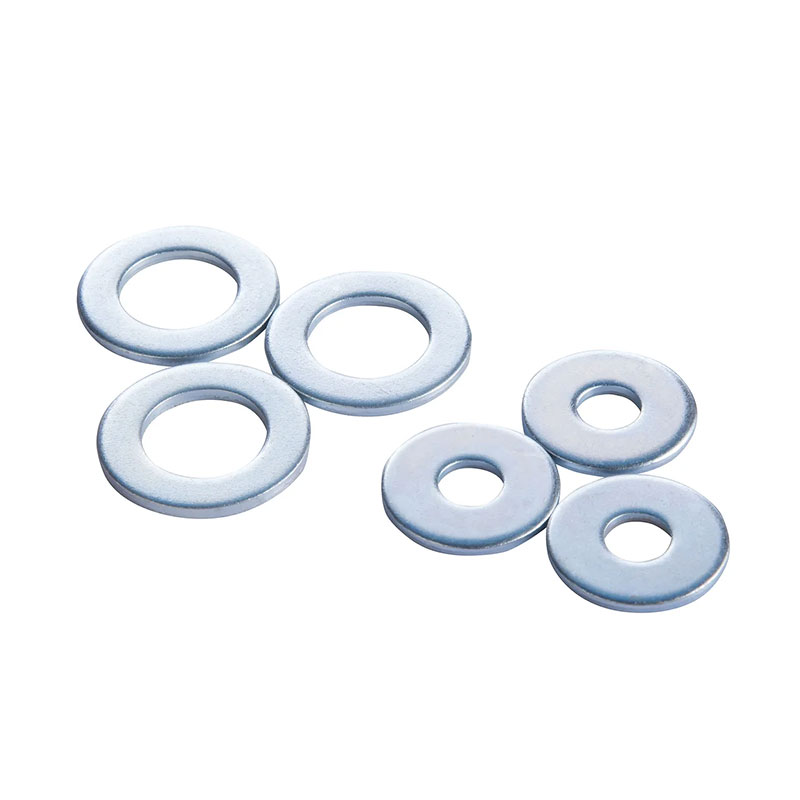
- Spring Washers: Increase friction and reduce the likelihood of loosening.
5.2 Thread Locking Adhesives
- Purpose: Suitable for long-term fixation or high-vibration environments.
- Note: Ensure the bolt is clean and dry before applying for best results.
6. Check Compatibility
6.1 Hole Fit
- Ensure the bolt length and diameter match the hole to avoid too long or too short bolts affecting the structure.
6.2 Thread Matching
- Metric threads and Imperial threads cannot be mixed, or it may damage the bolt or the threaded hole.
 Get In Touch
From concept to production, we cah create the products you want.
 Products
- · SCREWS
- · HEXAGONAL NUTS
- · THREADED BOLTS
- · EXPANSION ANCHORS & PLUGS
- · WIRE SCREW HOOKS
- · SCREW WASHERS
Contact Information Tel: 86-574-62101087
 E-mail: [email protected]
- E-mail: [email protected]
 Add: Xiaocao 'e Binhai Industrial Park, Yuyao, Zhejiang, China
Copyright 2024 Yuyao Cili Machinery Co., Ltd. All Rights Reserved.
 Custom Drilling Screws Manufacturers
Custom Drilling Screws Manufacturers