

 English
 русский
Screw Washers: Types, Functions, and How to Select the Right Size and Material
 2026.10.05
 Industry news
Screw washers are the quiet heroes of any fastener system. While screws get all the attention, it is often the washer underneath that decides whether a joint stays tight, a surface stays clean, and a structure remains safe. At Yuyao Cili Machinery, we have spent years manufacturing fasteners and matching washers for customers around the world, and we are happy to share some of that practical experience with you.
What Is a Screw Washer?
A screw washer is a thin plate, usually disk-shaped, with a hole in the middle that allows a screw or bolt to pass through. Its basic job is to spread the clamping force of the fastener over a larger area so that the material underneath does not get crushed or deformed.
What makes a screw washer different from a generic washer is that it is more likely to be matched with machine screws, self-tapping screws, or wood screws, and it may include features that general washers do not need, such as a rubber bonded layer for sealing or teeth that bite into the surface.
Why Screw Washers Matter: Four Core Functions
Every washer we produce is designed with at least one of these four jobs in mind: load distribution, spacing, vibration absorption, and liquid protection. Understanding them helps you pick the right washer the first time, and it helps us quote the right part faster when you send us an inquiry.
| Washer Type | Primary Function | Typical Use |
|---|---|---|
| Flat washer | Load distribution and spacing | General assembly, wood and metal joints |
| Spring lock washer | Vibration resistance | Machinery, appliances, automotive fasteners |
| Tooth lock washer | Surface grip against loosening | Panels, sheet metal, electrical enclosures |
| EPDM bonded washer | Sealing plus load distribution | Roofing, outdoor cladding, waterproof joints |
| Square washer | Wide surface support | Timber framing, slotted holes, oversized openings |
| Hardened structural flat washer | High-load structural support | Steel-to-steel connections |
Types of Screw Washers Explained
Here is a closer look at the main types of screw washers we manufacture and the situations where each one shines.
Flat Washers
The flat washer is the simplest and most commonly used screw washer. It provides a smooth bearing surface, spreads the clamp load, and protects the workpiece from marring. In wood assemblies, a wider flat washer prevents the screw head from sinking into the board; in metal assemblies, it also helps compensate for oversized holes.
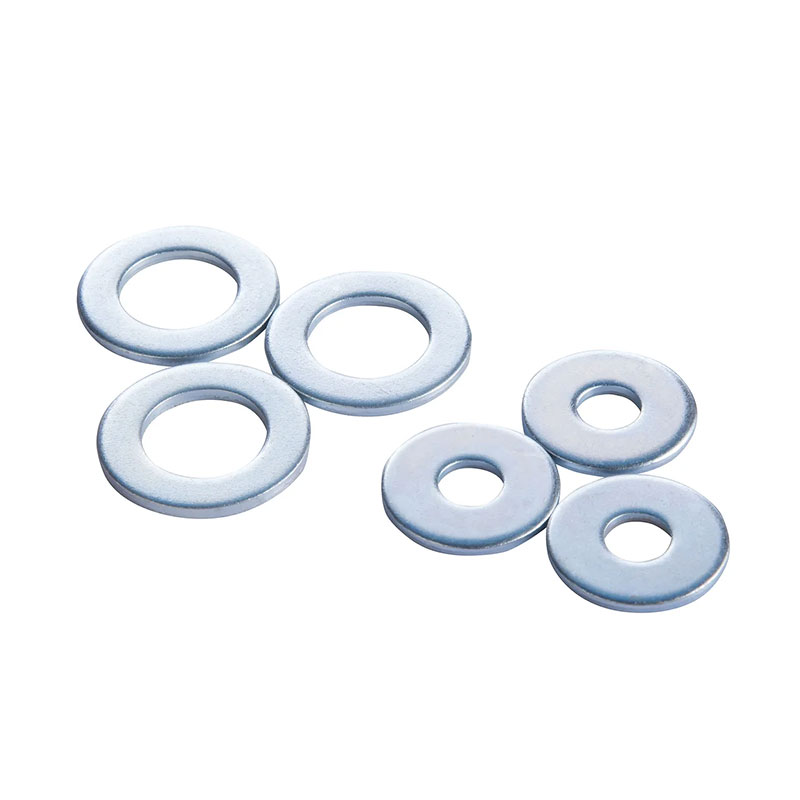 Flat Washer for Load Distribution and Surface ProtectionThis round metal washer spreads clamp load and prevents damage to workpiece surfaces. It suits wood or metal assemblies where a smooth bearing surface is needed.View Product →
Spring Lock Washers
Spring lock washers are split, slightly curved rings that act like a spring when compressed. They take up slack in a joint and provide a degree of resistance to loosening caused by vibration. They are a classic choice for machinery covers, appliance mounts, and other places where minor movement is expected.
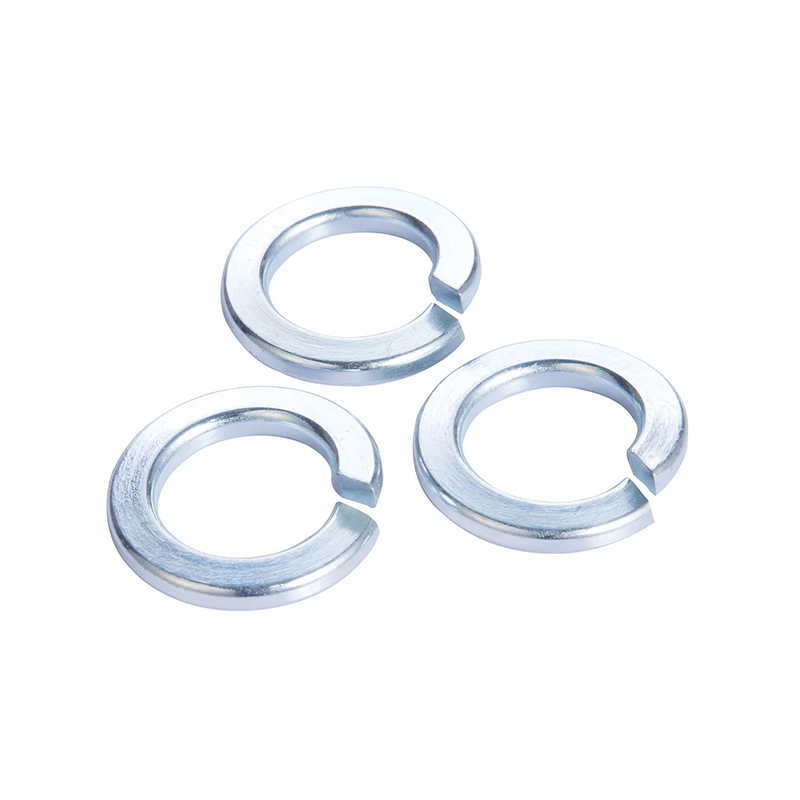 Spring Lock Washer for Vibration-Resistant FasteningThis split ring washer provides spring tension to keep bolts and screws tight under vibration. It is a dependable choice for machinery covers and appliance mounts.View Product →
Tooth Lock Washers
When a spring lock washer is not aggressive enough, a tooth lock washer is the next step. Its edges have radial teeth that bite into both the fastener head and the workpiece surface, providing strong mechanical grip. This makes it popular for electrical bonding and sheet metal applications. If you want to dig deeper, you can learn how tooth lock washers disperse pressure from bolts or nuts in our industry notes.
EPDM Bonded Washers
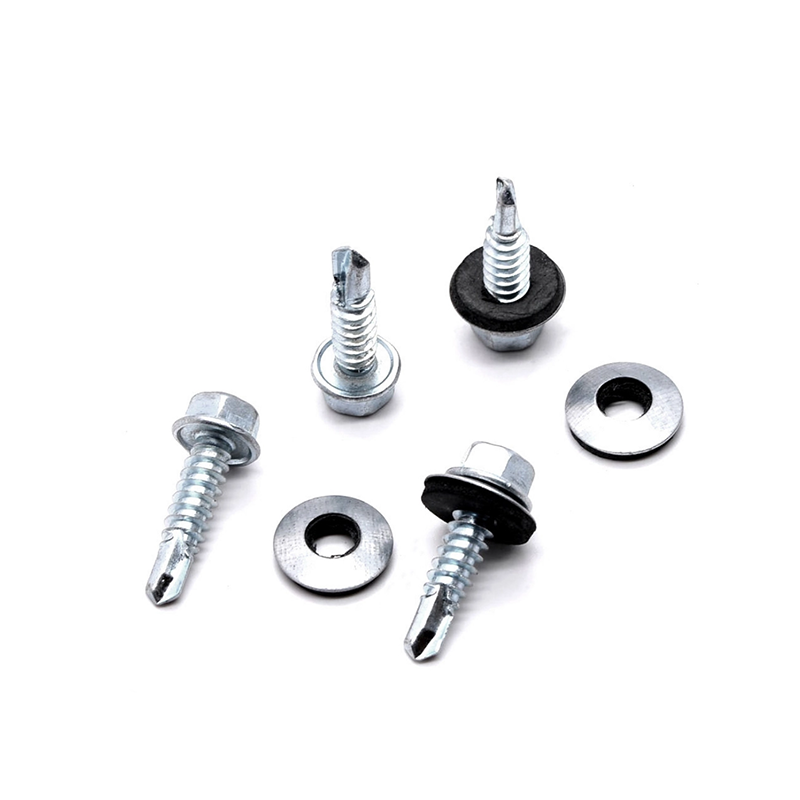
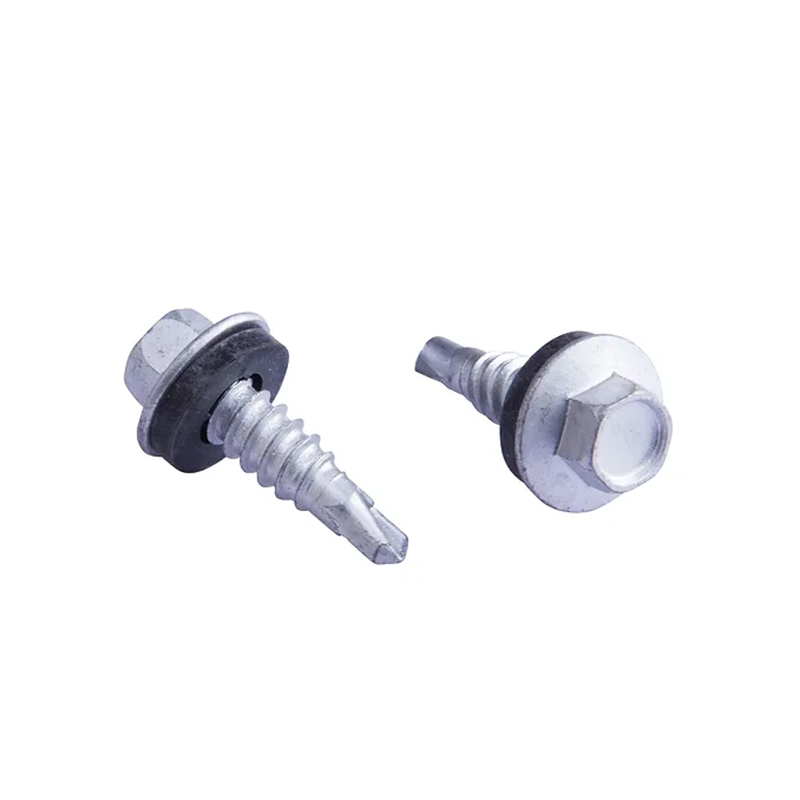
An EPDM bonded washer combines a metal flat washer with an EPDM rubber sealing layer. When the screw is driven, the rubber compresses and seals the hole, keeping rain and water away from the substrate. This is why roofing screws, sandwich panel screws, and other outdoor fasteners are almost always paired with an EPDM washer.
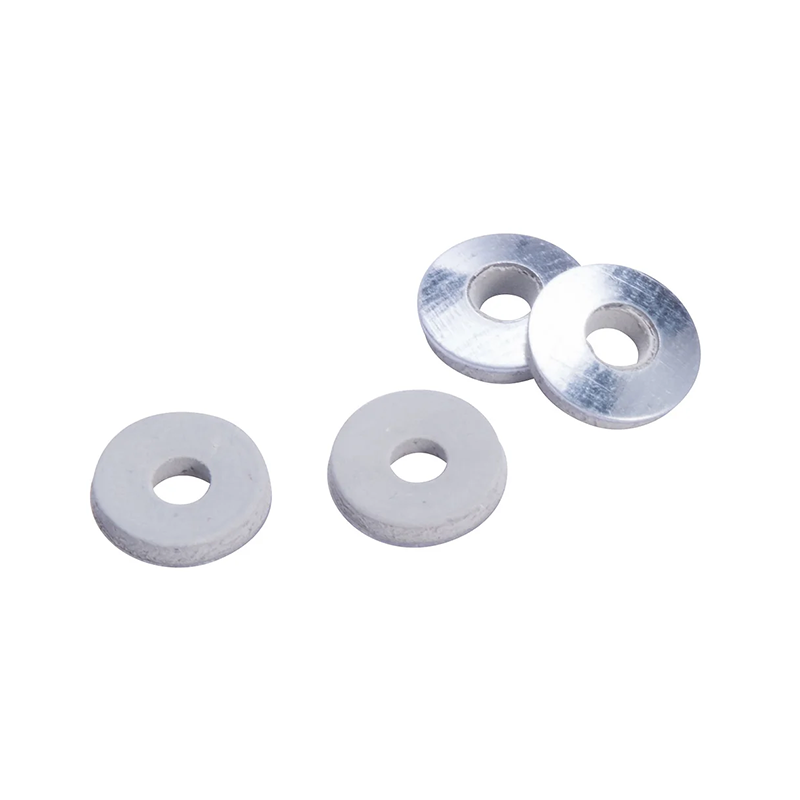 EPDM Bonded Washer for Watertight SealingThis washer combines a metal backing with EPDM rubber to create a durable seal against moisture. It works well with roofing screws and outdoor fasteners.View Product →
Square Washers
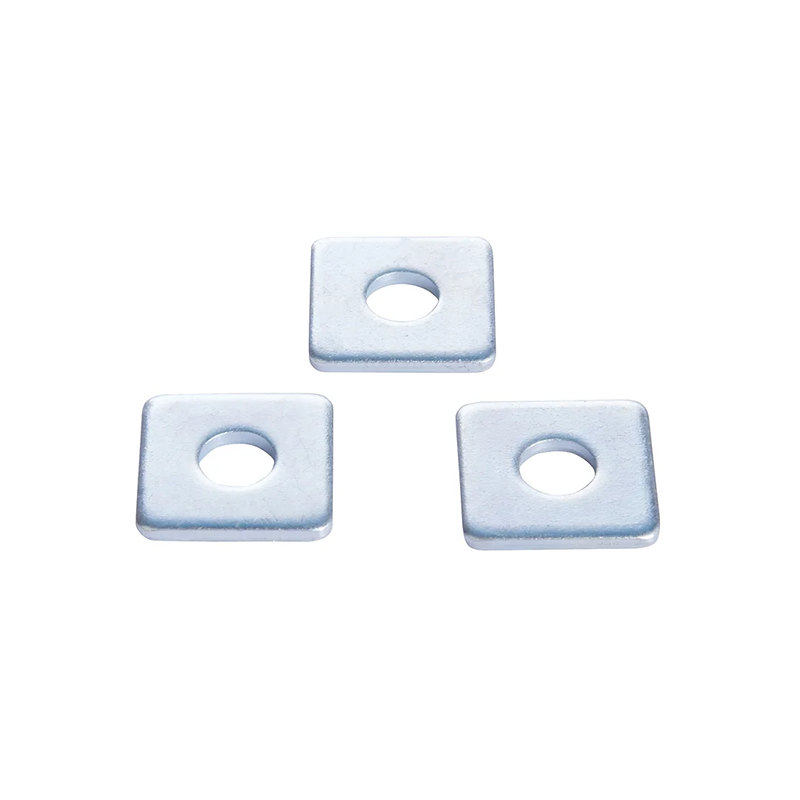
Square washers have a larger bearing area than their round counterparts. They are often used in wood framing, where a broad footprint is needed on the soft side of a timber, and they work well with slotted holes since the square shape resists rotation.
Hardened Structural Flat Washers
When a bolt is torqued to high preload, a soft washer can crush or creep. Hardened structural flat washers are heat-treated to a higher hardness so they can carry heavy clamp loads without deforming. They are specified in steel construction and other demanding connection details.
Materials and Finishes for Screw Washers
The material of a washer should be chosen with its environment in mind. Here are the most common materials we process at our factory:
- Carbon steel - the standard choice for indoor use; it offers good strength and can be finished with zinc plating, black oxide, or phosphate coating.
- Stainless steel - ideal for humid, marine, or corrosive environments; grades 304 and 316 are the most requested.
- Spring steel - used for lock washers that need a reliable elastic response after compression.
- EPDM rubber - bonded to a steel shell for sealing applications, with good weather resistance and flexibility.
- Nylon or plastic - used when electrical insulation or non-scratching protection is required.
Common Applications of Screw Washers
Screw washers appear in almost every assembled product you can think of. A few of the most common uses we see from our customers include:
- Roofing assemblies, where EPDM bonded washers seal each screw hole against rain and wind.
- Timber decking and wooden structures, where flat and square washers stop the screw head from pulling into the board.
- Sheet metal enclosures, where tooth lock washers create a bite that keeps panels secure.
- Machinery and appliances, where spring lock washers provide extra security against vibration during operation.
- Steel construction, where hardened flat washers distribute the clamp load of high-strength bolts.
How to Choose the Right Screw Washer
Choosing a screw washer does not need to be complicated. Ask yourself these five simple questions, and you will be close to the right answer:
- What is the screw size? The inside diameter (ID) of the washer should fit snugly around the screw shank without slipping over the threads too easily.
- What material is the workpiece? Soft wood and thin metal need a wide flat washer; hard steel can use a hardened or standard flat washer.
- Will the joint be exposed to vibration? If yes, choose a spring lock washer or a tooth lock washer.
- Will the joint be exposed to water? For outdoor applications, an EPDM bonded washer is the most dependable way to keep the hole sealed.
- Is there a structural requirement? Use hardened washers and consult the design standard before you select a washer for a high-clamp-load connection.
What to Look for in a Washer Manufacturer
Not all washers are created equal. In our experience, the difference usually shows up in three things: dimensional consistency, surface finish, and hardness control. A washer that is too thin or has a burred edge can scratch your product or loosen under load. That is why our production team follows strict tolerances and inspects every batch, backed by ISO9001-2008 quality system.
We also believe that a good supplier should speak the language of fasteners with you. Whether you are sourcing standard screw washers or custom fastener solutions, our engineers are happy to review your application and recommend the right combination of screw, washer, and locking method.
If you are developing a new product or simply want to optimize your current fastener inventory, we are here to help. We manufacture flat washers, spring lock washers, tooth lock washers, EPDM bonded washers, and many other fastener components. Send us your drawings, samples, or even just a description of the application, and we will help you find the right screw washer for the job.

 Get In Touch
From concept to production, we cah create the products you want.
 Products
- · SCREWS
- · HEXAGONAL NUTS
- · THREADED BOLTS
- · EXPANSION ANCHORS & PLUGS
- · WIRE SCREW HOOKS
- · SCREW WASHERS
Contact Information Tel: 86-574-62101087
 E-mail: [email protected]
- E-mail: [email protected]
 Add: Xiaocao 'e Binhai Industrial Park, Yuyao, Zhejiang, China
Copyright 2024 Yuyao Cili Machinery Co., Ltd. All Rights Reserved.
 Custom Drilling Screws Manufacturers
Custom Drilling Screws Manufacturers