

 English
 русский
Expansion Screws: Types, Installation, and How to Choose the Right Anchor
 2026.09.21
 Industry news
Every construction task, from hanging a shelf to anchoring a steel column, eventually relies on a simple yet clever device: the expansion screw. Also known as mechanical anchors or expansion bolts, these fasteners are designed to grip solid materials such as concrete, brick, and block by expanding once installed. At Yuyao Cili Machinery, we have manufactured screws, anchors, and related fasteners for customers around the world. In this article, we share practical knowledge about expansion screws, including how they work, how to choose the right type, and how to install them correctly.
What Are Expansion Screws?
Expansion screws are fasteners that create a secure connection by expanding against the material around them. A standard screw depends on threads to pull two pieces together, but an expansion screw works instead inside a pre-drilled hole. When the screw or bolt is tightened, it forces an outer sleeve or clip to press firmly against the hole wall. This radial pressure produces friction and creates a mechanical lock.
Because they do not rely on threading into the base material itself, expansion screws are especially useful for masonry, concrete, hollow block, and drywall. They are available in many configurations, from simple plastic anchors for light loads to heavy-duty wedge anchors for structural steel connections.
How Do Expansion Screws Work?
The working principle of an expansion screw is straightforward but precise. The anchor body is placed into a pre-drilled hole, and as the screw or nut is tightened, the tapered end of the screw pulls up into the expansion sleeve. This action forces the sleeve outward against the base material, forming a tight grip. The amount of grip depends on the depth of the hole, the quality of the sleeve steel, and the torque applied during installation.
There are two main expansion forms to understand:
- Torque-controlled expansion: The installer tightens the screw or nut to a specific torque, causing the sleeve to expand and lock into the hole. This is common in sleeve anchors and wedge anchors.
- Displacement-controlled expansion: The anchor is hammered or driven into the hole, and the expansion is caused by a pre-formed shape that presses outward inside the hole, as with drop-in anchors or drive anchors.
Understanding this distinction helps you avoid over-tightening, which can damage the base material, and under-tightening, which can reduce holding power.
Common Types of Expansion Screws
Manufacturers offer a wide range of expansion screws to match different base materials and load requirements. The table below compares some of the most common types that our customers request.
| Type | Best Application | Key Feature |
|---|---|---|
| Sleeve anchor | Concrete, brick, and block | Versatile; screw or bolt can be removed |
| Wedge anchor | Solid concrete | Tapered wedge expands as nut is tightened |
| Drop-in anchor | Overhead and high-strength concrete | Flush-mount style with internal thread |
| Plastic anchor | Drywall, plaster, hollow masonry | Screw expands the plastic sleeve |
| Hollow-wall anchor | Drywall and hollow block | Wings or toggle expands behind the surface |
| Metal frame anchor | Steel channels and thin sheet metal | Radial expansion in narrow cavities |
The table is a starting point rather than a complete specification. For instance, sleeve anchors and wedge anchors both work in concrete, but wedge anchors usually offer higher pull-out values, while sleeve anchors give you more flexibility for temporary fastening. Plastic anchors and hollow-wall anchors are not interchangeable because they grip lightweight materials in very different ways. When ordering for a commercial project, always review the manufacturer's technical data sheet and recommend testing on the job site.
How to Choose the Right Expansion Screw
Choosing the right expansion screw is about matching the fastening system to the demands of the job. Our engineering team uses the following factors for every custom inquiry:
- Base material: Is it solid concrete, brick, block, drywall, or hollow masonry? The anchor design must suit the density and thickness of the material.
- Load type and magnitude: Heavy static loads, dynamic loads, and pull-out or shear forces all affect the anchor size and grade.
- Environment: Outdoor or humid conditions require corrosion-resistant coatings or stainless steel, while indoor dry locations allow more flexibility.
- Edge distance and spacing: Anchors placed too close to a concrete edge can cause cracking. Keep recommended distances.
- Hole quality: A clean, accurate hole prevents premature expansion wear and gives the sleeve a uniform surface to grip.
- Removability: If you need to disassemble the fixture later, choose a sleeve anchor with a removable bolt rather than a permanent wedge anchor.
When in doubt, test one anchor in the actual base material before proceeding with the full installation. This simple step can save a significant amount of time and rework.
Installation Best Practices
Even a high-quality expansion screw will not perform well if installed incorrectly. We recommend following these steps for consistent results:
- Use the correct drill bit size. The bit should match the anchor diameter exactly, and the hole depth should be slightly deeper than the anchor length.
- Clean the hole after drilling. Remove dust and debris with a brush, vacuum, or compressed air, because loose material weakens the grip.
- Insert the expansion screw or anchor fully. Some types require the top of the sleeve to sit flush with the surface.
- Tighten the nut or screw gradually to the recommended torque. Avoid over-tightening, which can crush the base material or strip the threads.
- Check the fixture for movement after tightening. If movement occurs, loosen, remove, and inspect the hole and anchor.
For a close look at the details of a popular style, our guide on correct installation of sleeve anchors with hex bolt type offers additional practical advice.
Why Work with a Reliable Fastener Manufacturer?
Consistent anchor quality matters in every project, and working with a specialized manufacturer gives you access to stable production, custom sizing, and technical support. At Yuyao Cili Machinery, we operate a 15,000-square-meter factory with more than 200 employees and an annual output value of about 10 million USD. Our process covers wire drawing, annealing, cold heading, tapping, and thread rolling, which allows us to control quality from raw material to the finished product. Our facility is ISO 9001 certified, and our technical team works with clients to align every anchor with the relevant load and environmental requirements.
Our expansion screw and anchor range is one of the fastest-growing categories for us. The following three products are good examples of the styles we now offer as standard and with custom options.
Sleeve Anchors with Hex Bolt Type
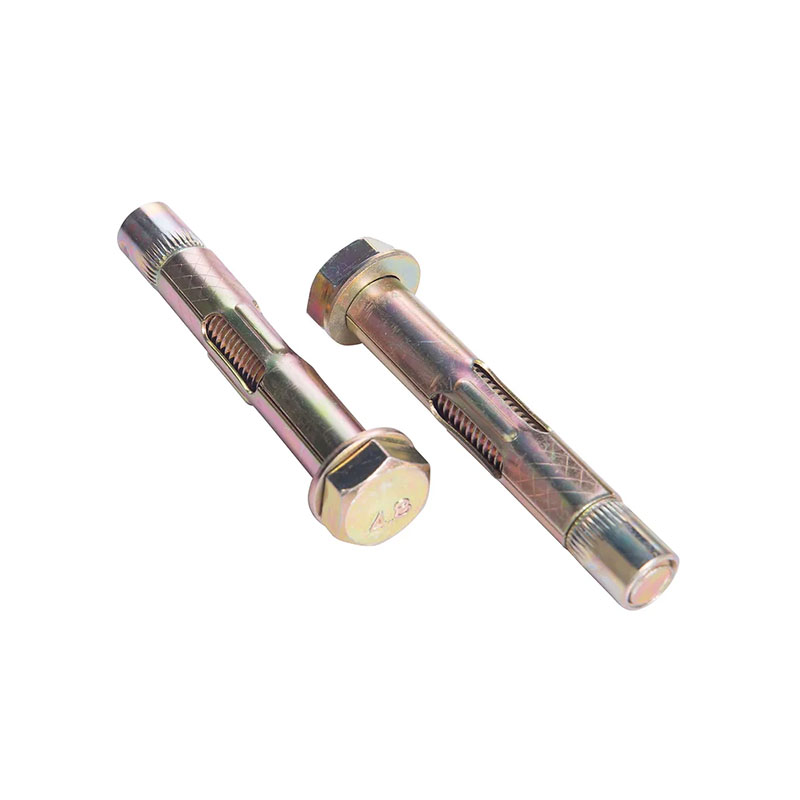 Sleeve Anchor with Hex Bolt TypeSleeve Anchor with Hex Bolt Type are sturdy fasteners designed to provide secure anchoring into hard materials such as concrete and masonry. Hexagon bolt type sleeve a...View Product →
Sleeve anchors with a hex bolt are a practical choice for attaching structural steel, machinery, and heavy brackets to concrete or masonry. The bolt can be removed and reused without affecting the anchor's holding value, which makes maintenance easier.
Wedge Anchors (Through-Bolt Style)
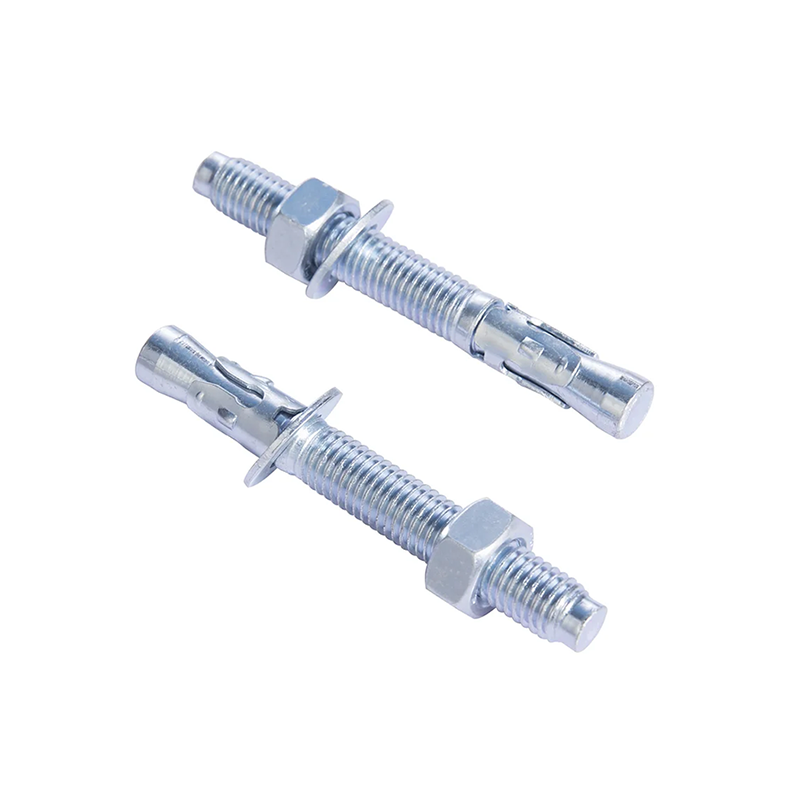 Wedge Anchor (Through Bolt)Yuyao Cili Machinery Co., Ltd. is located in Yuyao City, Zhejiang Province, on the south bank of Hangzhou Bay Bridge, the center of the economic triangle connecting Sh...View Product →
For high load capacity in solid concrete, wedge anchors are a proven solution. The through-bolt style allows a clean, flush installation with good resistance to vibration and pulling forces, so it is often used in parking structures, columns, and heavy industrial equipment.
Plastic Anchors
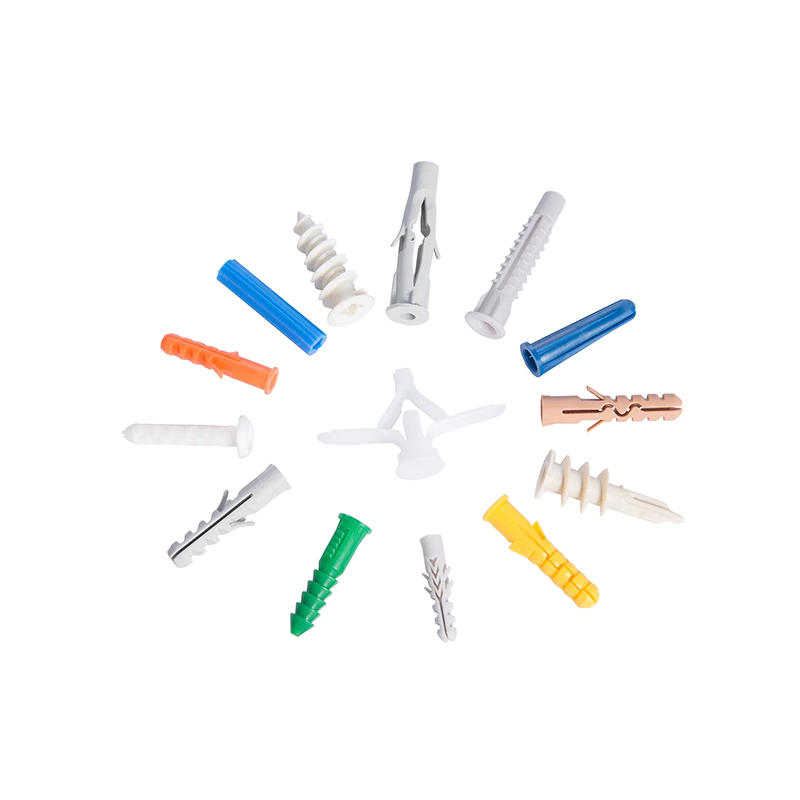 Plastic AnchorsYuyao Cili Machinery Co., Ltd. is located in Yuyao City, Zhejiang Province, on the south bank of Hangzhou Bay Bridge, the center of the economic triangle connecting Sh...View Product →
Plastic anchors remain one of the simplest and most cost-effective ways to fix fixtures to drywall, plaster, or low-density masonry. They are ideal for light to medium loads such as shelves, switch boxes, and light fittings, and they are easy for both professional and home users to install.
These product families are available in various diameters, lengths, and surface finishes. If your project requires a special size or coating, our engineers can work from your drawing or sample to create a solution that fits exactly.
Expansion screws may seem like a small part of a large construction project, but they carry real responsibility. Understanding how they work and how to choose the correct type helps you build safer, more durable connections. If you need a dependable supplier who can support both standard orders and custom development, our team at Yuyao Cili Machinery is ready to assist. Send us your inquiry or drawings, and we will help you find the right expansion screw for your next project.
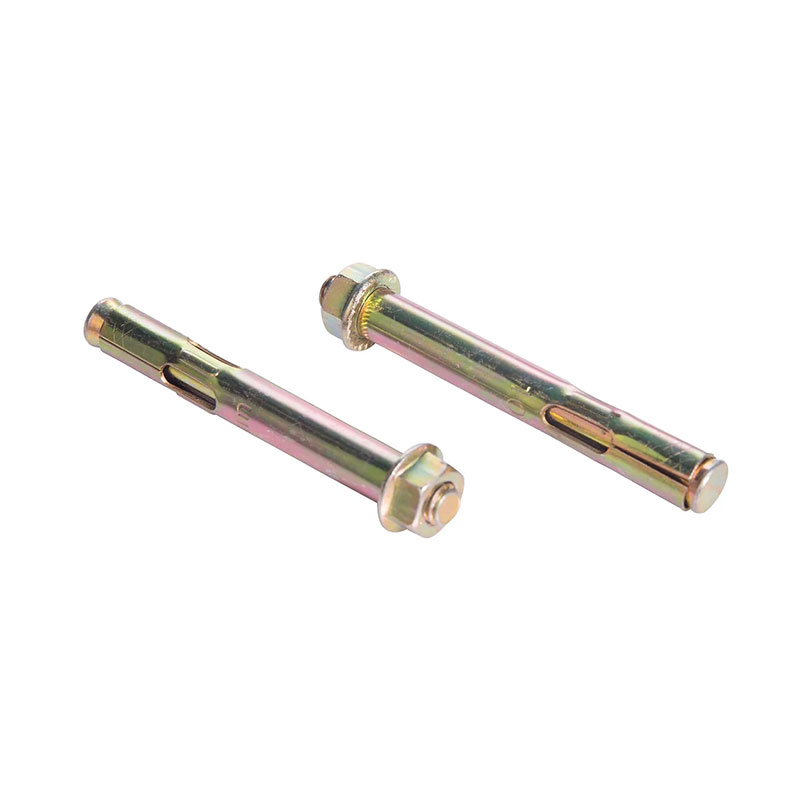
 Get In Touch
From concept to production, we cah create the products you want.
 Products
- · SCREWS
- · HEXAGONAL NUTS
- · THREADED BOLTS
- · EXPANSION ANCHORS & PLUGS
- · WIRE SCREW HOOKS
- · SCREW WASHERS
Contact Information Tel: 86-574-62101087
 E-mail: [email protected]
- E-mail: [email protected]
 Add: Xiaocao 'e Binhai Industrial Park, Yuyao, Zhejiang, China
Copyright 2024 Yuyao Cili Machinery Co., Ltd. All Rights Reserved.
 Custom Drilling Screws Manufacturers
Custom Drilling Screws Manufacturers